
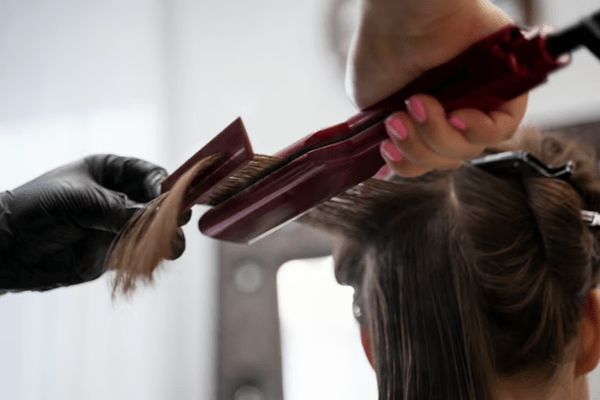
If you’re dreaming of sleek, shiny locks, a hair straightening treatment might be the answer. This popular beauty procedure transforms frizzy or curly hair into smooth, manageable strands. Many people seek out these treatments to save time on styling and to achieve a polished look. Whether you’re preparing for a special occasion or simply want to enjoy effortlessly straight hair every day, knowing your options is essential.
In the world of hair care, there are various treatments available, each with its unique benefits and considerations. From keratin treatments to Japanese straightening, the choices can be overwhelming. Understanding the differences is crucial when deciding on the best option for your hair type and lifestyle. For further insights into hair care treatments, including options like Minoxidil, keep reading as we dive deeper into the hair straightening process and what you need to know.
Types of straightening hair methods
Chemical hair straightening methods
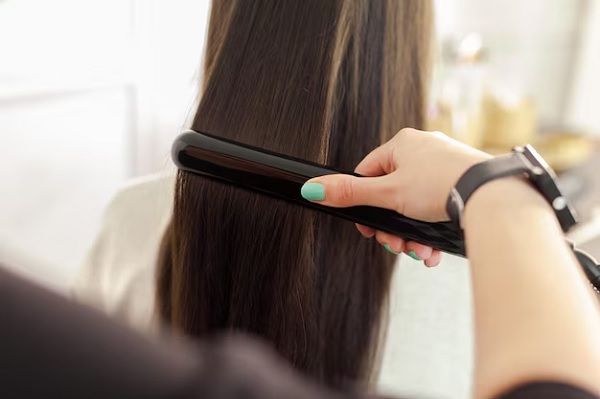
The use of chemical solutions to straighten hair is the essence of chemical hair straightening techniques. There are three major chemical hair straightening methods to straighten your hair.
Hair rebonding is an in-salon procedure that uses chemicals and heat to give you smooth and straight hair. The process starts with breaking the bonds in your hair shaft and then rebonding them in a straighter texture. The results of rebonding last longer than a smoothening treatment and make unmanageable or frizzy hair look put together. The treatment takes a couple of hours, is semi-permanent, and lasts up to 6-12 months, depending on the original texture and aftercare.
Keratin treatment, also known as ‘protein treatment’ and ‘hair smoothening’, helps make your hair frizz-free and look a lot straighter. After applying a keratin solution, your hair is blow-dried and straightened with a flat iron to seal in the product. It is less damaging than rebonding as it doesn’t break the hair bonds to restructure them, but smooths down the cells that overlap to form hair strands, making them shiny and soft to the touch. The results of a keratin treatment last up to three months, depending on the texture and thickness of your hair.
Hair relaxing treatment uses extreme heat and chemicals to give you super straight hair. Chemical relaxers break the hydrogen and disulphide bonds in your hair, after which your hair technician reconfigures the hair strands into a super straight texture with a hair straightener. A hair relaxing treatment is permanent and lasts longer than three months until your hair grows out.
Non-Chemical method
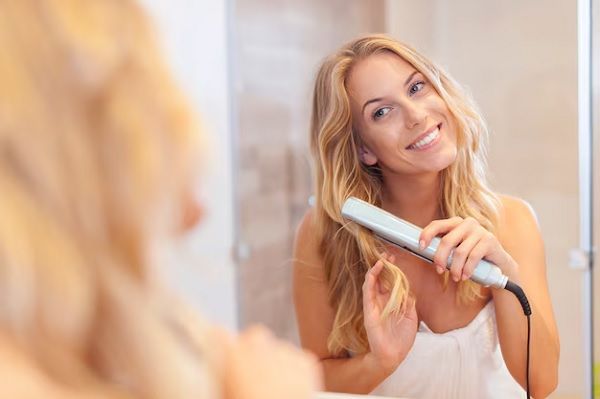
Straightening irons work by breaking and reforming hydrogen bonds in the hair, resulting in a temporary straight texture that can be easily reversed by water or humidity. Although not particularly healthy for hair, straightening irons can be used in a less damaging way by using heat protectant sprays and avoiding pinning or putting up straightened hair.
Blow drying can also straighten hair by reshaping strands that have had their hydrogen bonds broken by washing. This method is less damaging than using straightening irons but also not long-lasting. Heat protectant products and serums can be used to achieve a silky and shiny finish, while a round bristle brush provides more control over the strands while blow-drying.
Straightening brushes are electric devices with wide bristles that straighten hair while drying it. While they may seem like a time-saving option, the results are often unsatisfactory and the uncontrolled heat can damage cuticles. Pulling on wet hair with a straightening brush can also cause breakage.
DIY method
One of the methods mentioned is a hot oil treatment, which involves using a combination of castor and coconut oil to deeply nourish and repair the hair shaft. This treatment is beneficial for dry and frizzy hair and can provide a silky, shiny finish.
Another method is a DIY milk spray, which is a gentle formulation that can be used on hair every day. Milk is enriched with vitamins, calcium, and proteins, which help to fortify hair shafts and add luster while also making the hair smoother.
Finally, the rice water has been known to result in long, sleek, shiny tresses. Rice water is enriched with flavonoids and phenolic compounds that can improve the texture and appearance of hair.
How it works
Permanent hair straightening treatments utilize a chemical process to achieve the desired effect. These treatments are typically categorized into several types that rely on different chemical formulas and processing methods. While some treatments can be performed at home, others require salon-grade equipment and a professional stylist to be completed effectively.
The common strategy used by all permanent hair straightening methods involves the application of a chemical solution to the hair. This chemical solution alters the way proteins in the hair are configured. In procedures like perms and Japanese thermal straightening, a neutralizer is also applied to the hair, which causes new bonds to form between protein molecules, locking the hair into its new straight shape.
After applying the chemical solution and neutralizer, the hair is then styled, which can take several hours. It is essential to note that the chemical solutions used in these treatments can carry strong scents. For this reason, individuals are often advised against getting their hair wet or sweating too much in the days following the treatment. This caution is due to the fact that they are exposed to inhaling the chemicals used to treat their hair, which can also affect people nearby.
Before undergoing permanent hair straightening, several factors must be considered. One crucial aspect to consider is the individual’s hair type. Curly hair typically requires more heat and chemicals to straighten effectively. Another essential factor to consider is the desired outcome. For example, if someone wants to add overall smoothness and soften waves, it would be better not to use perms, which are effective but more damaging solutions.
The state of an individual’s hair health is another vital factor to consider. If someone has strong, thick, and healthy hair, and they commit to taking care of it in the months following the treatment, they may well give it a try. However, if someone has thin, damaged hair, it may struggle to survive such a trial.
Frequently asked questions
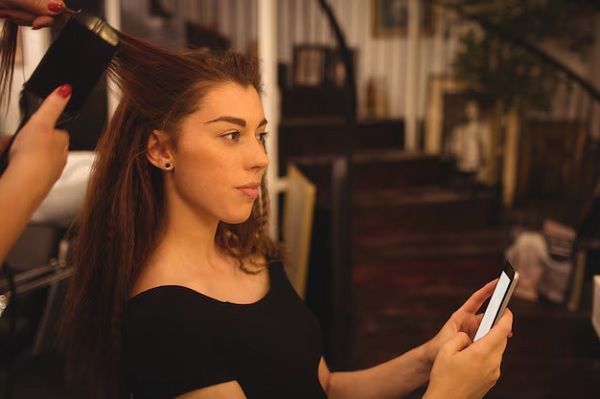
What is a hair straightening treatment?
A hair straightening treatment is a cosmetic procedure designed to smooth and straighten hair. Various techniques exist, including chemical treatments, heat styling, and natural remedies. The most popular methods include keratin treatments and Japanese hair straightening. Each treatment affects hair differently, depending on the ingredients used and the application method. Many people opt for these treatments to reduce frizz and achieve a sleek look that lasts for weeks or even months.
Keratin treatments involve applying a keratin-based solution to the hair, followed by heat styling to lock in the smoothness. In contrast, Japanese hair straightening uses a chemical process to alter the hair’s structure permanently. Choosing the right treatment depends on your hair type, texture, and desired results. Consulting with a professional stylist can help determine the best option for you.
How long does a hair straightening treatment last?
The duration of a hair straightening treatment can vary based on the method used and individual hair characteristics. Generally, keratin treatments can last anywhere from three to six months, whereas Japanese straightening can last up to a year or more. Factors like hair care routine, product usage, and environmental conditions can also impact how long the results last.
After a treatment, it’s essential to maintain a proper hair care routine to prolong the effects. This may include using sulfate-free shampoos and conditioners, avoiding excessive heat styling, and limiting exposure to chlorine and saltwater. Following these guidelines can help you enjoy smooth hair for an extended period.
Are hair straightening treatments safe?
Safety is a common concern when considering hair straightening treatments. Many treatments use chemicals that can be harsh on hair and scalp. It’s crucial to choose a reputable salon and communicate any allergies or sensitivities beforehand. A professional stylist can help assess your hair’s condition and recommend suitable options.
While many people safely enjoy hair straightening treatments, some individuals may experience adverse reactions, such as irritation or damage. To minimize risks, consider doing a patch test before undergoing a full treatment. Additionally, ensure that the salon follows proper safety protocols and uses high-quality products.
Can I do hair straightening treatments at home?
While some hair straightening treatments are available for at-home use, professional applications are often recommended for optimal results. DIY treatments may lack the expertise needed to achieve a smooth finish. Additionally, improper application of chemical treatments can lead to hair damage or uneven results.
If you prefer to straighten your hair at home, consider using heat styling tools like flat irons or blow dryers. Always use heat protectants and follow guidelines to avoid damaging your hair. For more permanent solutions, it’s best to consult a professional stylist.
What should I do after a hair straightening treatment?
After undergoing a hair straightening treatment, proper aftercare is essential to maintain the results. Avoid washing your hair for at least 48 to 72 hours after the treatment, as this allows the chemicals to set. When you do wash your hair, use sulfate-free shampoos and conditioners to keep your hair smooth and prevent frizz.
In addition to using suitable products, limit the use of heat styling tools for the first few weeks. Protect your hair from environmental factors like humidity, sun exposure, and chlorine. Following these guidelines can help you enjoy long-lasting smooth hair after your treatment.
Are there any side effects of hair straightening treatments?
Hair straightening treatments can have side effects, especially if not performed correctly. Common issues include dryness, brittleness, and breakage. Chemical treatments can alter the hair’s natural structure, leading to these unwanted effects. Choosing the right treatment and following aftercare instructions can reduce the risk of side effects.
It’s essential to consult with a professional stylist who understands your hair type and concerns. They can recommend the best treatment for you and suggest ways to minimize potential side effects. Regular trims and deep conditioning treatments can also help maintain healthy hair after a straightening procedure.
How much do hair straightening treatments cost?
The cost of hair straightening treatments can vary significantly based on the method used, salon location, and stylist expertise. Keratin treatments typically range from $150 to $500, while Japanese straightening can cost between $300 and $800. More affordable at-home options may be available, but results may not match those achieved in a salon.
Investing in a professional treatment can provide longer-lasting results and minimize the risk of damage. Always inquire about the products used and the expected outcomes when selecting a salon. Remember that the price reflects the quality of service and products used, so it’s worth considering when making your decision.