
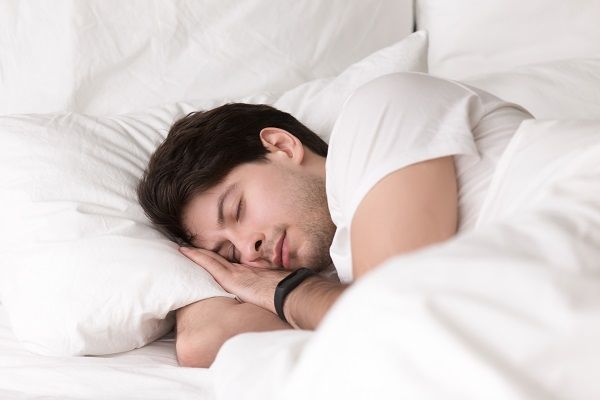
While it might be tempting to skip blow-drying your hair at night or leave it damp after a shower, sleeping with wet hair can have a range of negative effects on your hair, scalp, and overall well-being. The practice may seem harmless, but the reality is that the consequences can be more far-reaching than you might expect. In this article, we will explore the various reasons why sleeping with wet hair is not recommended, ranging from the effects on your hair’s health to potential scalp issues and even the impact on your sleep quality.
1. Hair damage and breakage
One of the most significant downsides of sleeping with wet hair is the increased risk of hair damage. Wet hair is more fragile and vulnerable than dry hair because the water causes the hair strands to swell. This makes the hair shaft weaker and more prone to breakage and split ends.
When you lie down with damp hair, it comes into contact with your pillowcase, which causes friction. This friction, combined with the vulnerability of wet hair, can lead to breakage, thinning, and overall hair damage. Over time, this repeated damage can result in your hair looking dull and lifeless.
In addition, the weight of the wet hair can stretch the strands, leading to further weakening. When hair stretches too much, it can snap. The combination of breakage and stretching can slow the natural growth of your hair, making it harder to maintain long, healthy locks.
2. Scalp health issues
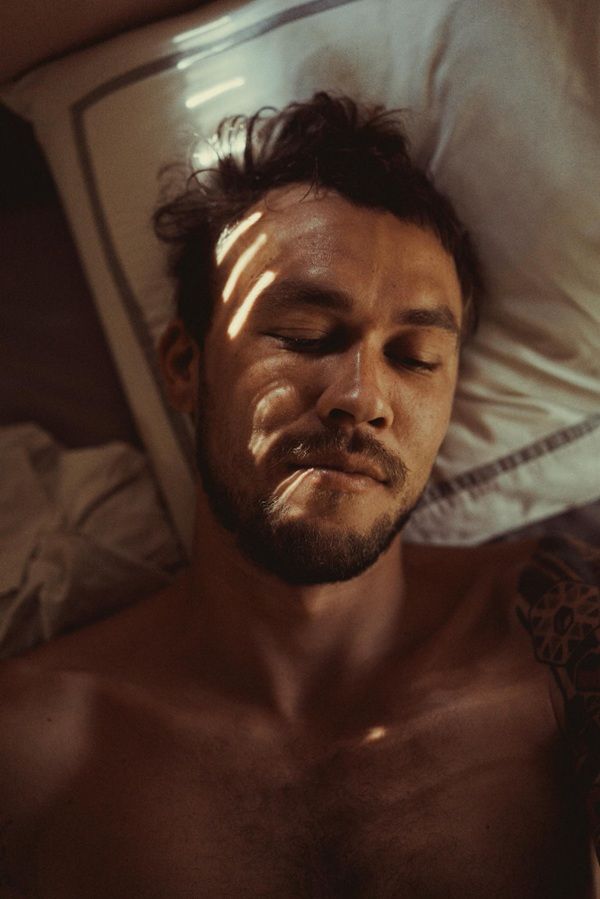
Your scalp is an essential part of maintaining healthy hair. When you sleep with wet hair, your scalp remains damp for a long period of time, creating a breeding ground for bacteria and fungi. These microorganisms thrive in warm, moist environments, which can lead to conditions such as dandruff, fungal infections, or seborrheic dermatitis.
Dandruff, for instance, is often exacerbated by a moist environment that encourages the growth of Malassezia, a fungus that can cause irritation, flaking, and itching of the scalp. The longer your scalp stays wet while you’re asleep, the higher the chance of experiencing such issues.
Moreover, if the moisture is trapped by tight hairstyles or hats, it can worsen the situation. As your hair dries overnight, the moisture may be absorbed by the pillowcase, but the dampness on your scalp may continue to cause problems for your skin.
3. Frizzy hair and unruly styles
Sleeping with wet hair can leave you with a mess of frizz and tangles in the morning. As your hair dries naturally while you sleep, it can dry unevenly or in a way that you don’t intend. This may result in hair that is hard to manage, difficult to style, or completely unkempt.
Wet hair doesn’t retain its shape as well as dry hair does. As it dries while you sleep, it can become knotted or tangled, particularly if you toss and turn in bed. Friction from the pillowcase and your movement during sleep can cause the strands to become frizzy and unruly, making it more challenging to achieve the sleek, smooth look you desire.
In some cases, sleeping with wet hair may even cause it to take on an unwanted texture or wave. For people with curly or wavy hair, this could lead to inconsistent curls or frizzy waves, which may require extra styling effort in the morning to get back to a manageable state.
4. Cold and uncomfortable sleep
Another aspect of sleeping with wet hair is the discomfort it can cause during the night. When you lie down with wet hair, it can make you feel colder, especially if you’re in a cooler environment. Wet hair retains moisture, which can cause your body temperature to drop as it evaporates. In some cases, this can disrupt your ability to fall asleep or stay asleep throughout the night.
When your hair is wet, it can also make your pillow damp, which may create a cold and uncomfortable sleeping surface. As the moisture in your hair dries, it can leave you feeling chilled, potentially leading to muscle stiffness or discomfort that could negatively impact your overall sleep quality.
5. Risk of developing colds or illness
Though the idea that sleeping with wet hair directly causes colds is a common misconception, there are still some health risks associated with it. While the cold itself isn’t caused by wet hair, wet hair can contribute to a weakened immune system if you’re already exposed to cold temperatures. If your body is trying to regulate your temperature while your hair is wet, it could lead to increased susceptibility to illness.
Additionally, being cold and uncomfortable can interfere with your ability to get restful sleep, and a lack of sleep can weaken your immune system over time, making you more susceptible to infections.
6. Longer drying time and risk of mold
If you have long or thick hair, it may take a significant amount of time for your hair to dry completely. When you sleep with wet hair, the drying process can extend overnight, leaving your hair damp well into the morning. This can increase the likelihood of mold growth, especially if your pillowcase or sheets do not allow proper air circulation to dry the hair effectively.
Furthermore, if your hair remains damp throughout the night, the moisture can accumulate in the pillowcase and on the mattress, which can lead to mold or mildew growth in your bedding. This is especially problematic for people with allergies or respiratory issues, as mold can exacerbate symptoms and cause health complications.

7. Difficulty styling and grooming
If you’re someone who values having a smooth, well-groomed hairstyle, sleeping with wet hair can make the morning routine more time-consuming. Since wet hair takes longer to style, you may find yourself spending more time drying and styling it, leading to an inefficient start to your day. The longer your hair takes to dry, the more prone it is to becoming frizzy, tangled, and difficult to manage.
In addition, hair that dries unevenly overnight may not hold a style as well as hair that’s been properly dried and styled beforehand. This can lead to a frustrating grooming experience, especially if you need to attend a meeting, event, or work.
Conclusion
While sleeping with wet hair may seem harmless, it can have long-term consequences for both your hair and overall health. The increased risk of hair damage, scalp issues, frizz, and discomfort while sleeping can add up over time, leading to a variety of concerns. Additionally, although wet hair doesn’t directly cause colds, it can contribute to uncomfortable sleep and potential health risks in certain conditions.
If you want to avoid these issues, it’s advisable to allow your hair to dry completely before going to bed. If you don’t have the time, consider using a blow dryer on a low heat setting or applying a quick-dry towel. Alternatively, you can try wrapping your hair in a soft microfiber towel or using a silk pillowcase to minimize friction and help preserve your hair’s health while you sleep.
Taking the time to care for your hair before bed can prevent potential damage and ensure that you wake up with healthier, more manageable locks.