
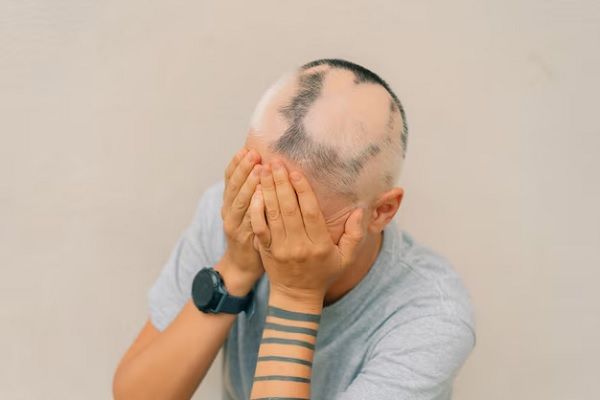
Scarring alopecia is a condition that can be both distressing and confusing for those who experience it. This type of hair loss occurs when inflammation damages hair follicles, leading to permanent hair loss. Many people who encounter salopecia often feel overwhelmed by the lack of information available. They may wonder about causes, symptoms, and effective treatments. Understanding alopecia is essential for anyone looking to manage this condition effectively.
In this article, we’ll explore everything you need to know about this type of alopecia. We’ll discuss its various causes, common symptoms, and effective treatment options available today. Whether you are experiencing hair loss yourself or simply want to learn more about this condition, you’ll find valuable insights here. Don’t forget to check out this informative link on telogen effluvium for related hair loss issues. Let’s dive into the world of scarring alopecia and uncover its mysteries together.
Understanding scarring alopecia
Scarring alopecia refers to a group of conditions that destroy hair follicles and replace them with scar tissue. This process often results in permanent hair loss, as the damaged follicles cannot regenerate. Unlike other types of hair loss, such as androgenetic alopecia, scarring alopecia is usually associated with inflammation. This inflammation can stem from various factors, including autoimmune disorders, infections, and certain skin conditions.
One of the most common forms of this type of alopecia is lichen planopilaris. This autoimmune condition leads to inflammation of the hair follicles, resulting in hair loss in patches. Another type is frontal fibrosing alopecia, which primarily affects postmenopausal women. It causes hair loss at the hairline and can be distressing for those who experience it. Understanding these types can help individuals recognize their symptoms early and seek appropriate treatment.
Moreover, recognizing the symptoms of scarring alopecia is crucial. Individuals may notice redness, itching, or tenderness in the affected areas. In some cases, they might see changes in the scalp, such as scaling or discoloration. These signs often indicate underlying inflammation and should prompt individuals to consult a healthcare professional for assessment and diagnosis.
Causes of scarring alopecia
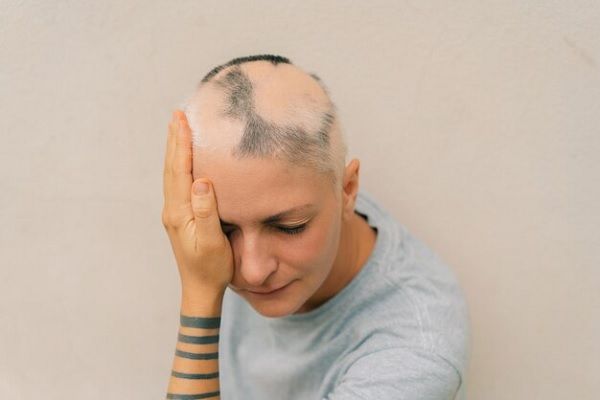
Understanding the causes of scarring alopecia is essential for effective treatment. The condition can arise from several factors, including autoimmune diseases, infections, and skin disorders. Autoimmune diseases occur when the body’s immune system mistakenly attacks its own cells. This can lead to inflammation of hair follicles, resulting in scarring and hair loss. Conditions such as lupus erythematosus and lichen planus are notable examples.
Infections can also contribute to this type of alopecia. Fungal infections, like tinea capitis, can invade hair follicles and cause damage. Bacterial infections may also lead to inflammation and subsequent hair loss. Identifying and treating these infections promptly can help prevent further hair loss.
Skin disorders can play a significant role in the development of scarring alopecia. Conditions such as folliculitis or psoriasis can lead to inflammation and scarring of the scalp. When these skin issues arise, they can disrupt the normal hair growth cycle and cause permanent damage to hair follicles. Thus, managing these skin conditions is crucial for preventing scarring alopecia.
Genetic factors may also contribute to the development of scarring alopecia. Some individuals may have a genetic predisposition to autoimmune diseases or skin disorders, making them more susceptible to this type of hair loss. Understanding your family history can provide insights into your risk factors for developing scarring alopecia.
Symptoms of scarring alopecia
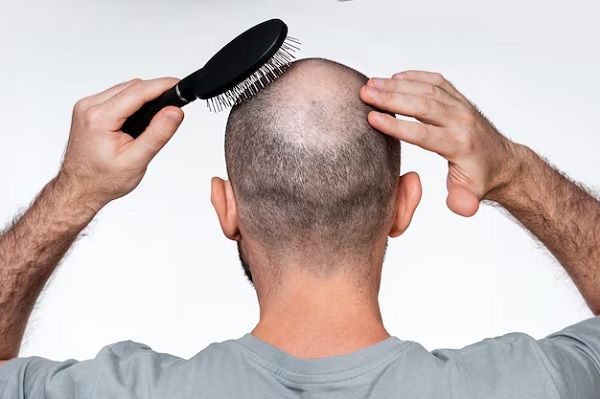
Recognizing the symptoms of this type of alopecia is crucial for early diagnosis and treatment. Individuals may experience various signs, including hair loss, inflammation, and changes in the scalp. The most noticeable symptom is hair loss, which can occur in patches or more diffusely across the scalp. This hair loss is often permanent, as the affected follicles become scarred and cease to produce hair.
Inflammation is another common symptom associated with scarring alopecia. Individuals may notice redness, swelling, or tenderness in the affected areas. This inflammation can cause discomfort and may be accompanied by itching or a burning sensation. It’s important to monitor these symptoms closely, as they often indicate an underlying issue that requires attention.
Changes in the scalp may also occur, such as scaling, discoloration, or the presence of bumps. These changes can be distressing and may lead individuals to seek medical advice. Additionally, some people may notice that their hair texture changes in affected areas, becoming thinner or weaker.
In some cases, scarring alopecia can also lead to psychological symptoms. The emotional impact of hair loss can be significant, leading to feelings of anxiety or depression. Individuals should prioritize their mental health and seek support when dealing with the effects of scarring alopecia.
Effective treatments for scarring alopecia
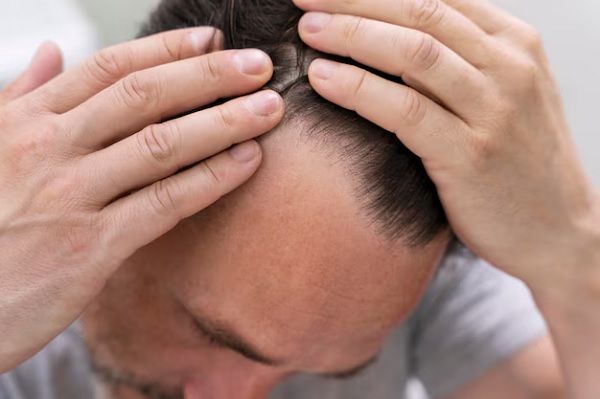
When it comes to treating scarring alopecia, early intervention is key. The effectiveness of treatment often depends on the underlying cause and the extent of hair loss. One common approach is the use of corticosteroids, which can help reduce inflammation and slow the progression of hair loss. These medications can be administered topically or through injections directly into the affected areas.
Another effective treatment option is the use of immunosuppressive medications. These drugs help regulate the immune system and can be particularly useful for individuals with autoimmune forms of scarring alopecia. Medications such as methotrexate or azathioprine may be prescribed, but they come with potential side effects and should be closely monitored by a healthcare professional.
For some individuals, topical treatments can provide relief. Products containing minoxidil may help stimulate hair growth in areas where follicles are still partially intact. However, these treatments may not be effective for everyone, especially if significant scarring has already occurred.
In more severe cases, dermatologists may recommend hair transplant surgery. This procedure involves transplanting hair follicles from unaffected areas to areas where hair loss has occurred. While this option can be effective for certain individuals, it is essential to consult with a qualified healthcare provider to determine if it is appropriate for your situation.
Additionally, lifestyle changes can support overall scalp health. Maintaining a balanced diet rich in vitamins and minerals can promote hair growth. Regular scalp massages may also improve circulation and overall scalp conditions.
Prevention strategies for scarring alopecia
While not all cases of scarring alopecia can be prevented, certain strategies can reduce the risk. First and foremost, it’s essential to maintain proper scalp hygiene. Keeping the scalp clean can help prevent infections that may lead to hair loss. Regularly washing hair and using gentle products can promote a healthy environment for hair follicles.
Additionally, managing stress is crucial for overall health, including hair health. High-stress levels can exacerbate autoimmune conditions, potentially increasing the risk of scarring alopecia. Engaging in stress-reducing activities, such as exercise or mindfulness practices, can have a positive impact.
Regular check-ups with a healthcare professional can also aid in early detection. Monitoring any changes in the scalp or hair can lead to timely intervention. If you have a family history of autoimmune diseases or skin disorders, it’s wise to discuss your concerns with a healthcare provider.
Moreover, being aware of any scalp conditions is vital. If you notice symptoms like itching, redness, or unusual hair loss, seek medical advice promptly. Early intervention can make a significant difference in managing scarring alopecia.
Finally, consider adopting a healthy lifestyle. Eating a balanced diet, staying hydrated, and getting adequate sleep can positively affect hair health. These foundational habits contribute to overall well-being and may help mitigate the risk of developing scarring alopecia.
Frequently asked questions
In this section, we’ll address some of the most common questions people have about scarring alopecia. Understanding the answers to these questions can help individuals navigate their concerns and challenges related to this condition.
What is the difference between scarring alopecia and other types of hair loss?
Scarring alopecia differs from other types of hair loss in that it specifically involves the destruction of hair follicles and their replacement with scar tissue. Conditions like androgenetic alopecia primarily involve hair thinning without underlying inflammation or scarring. In contrast, scarring alopecia is often linked to inflammation from autoimmune diseases, infections, or skin disorders, leading to permanent hair loss.
How can I diagnose?
Diagnosing this type of alopecia typically involves a thorough examination by a dermatologist. During the consultation, the doctor will review your medical history and perform a physical examination of your scalp. In some cases, a scalp biopsy may be necessary to determine the underlying cause accurately. This involves taking a small sample of skin from the affected area for laboratory analysis.
Can scarring alopecia be treated effectively?
While this type of alopecia can be challenging to treat, various options are available that can help manage the condition. Treatments like corticosteroids, immunosuppressive medications, and topical therapies can provide relief and slow hair loss. In cases of significant hair loss, hair transplant surgery may be an option. However, the effectiveness of treatment often depends on the cause and severity of the condition.
Are there any lifestyle changes that can help?
Yes, adopting a healthy lifestyle can positively impact hair health. Maintaining proper scalp hygiene, managing stress, and eating a balanced diet rich in vitamins and minerals can support overall well-being. Staying hydrated and getting adequate sleep are also essential components of a healthy lifestyle that may help mitigate the risk of developing scarring alopecia.
What should I do if I notice symptoms?
If you notice symptoms such as hair loss, inflammation, or changes in your scalp, it’s essential to consult a healthcare professional promptly. Early intervention can lead to more effective treatment options and better outcomes. A dermatologist can assess your condition, recommend appropriate tests, and guide you through treatment options tailored to your specific needs.