

Crown baldness is a disorder that affects both men and women, and it may be extremely humiliating. Male pattern baldness is the most common cause of hair loss in men. People afflicted with this condition have been searching for cures and treatments. Some folks have grown tired and have simply cut their remaining hair. But don’t give up on your dreams just yet. Crown baldness has remedies available; you just haven’t heard of them yet. Or perhaps you’ve heard of it but dismissed it; whatever the case, this article is intended to help you find a permanent cure to your balding crown.
We’ve assisted you by conducting comprehensive research on some of the most effective remedies accessible. We encourage you to read through to the finish to comprehend each completely and accurately decide which to adopt to your situation.
But first, let’s address a critical question: what might potentially be the cause of your balding crown?
I’m sure you’re curious too. In fact, if you don’t know what’s causing your hair loss, you can end up choosing the wrong treatment. The result is that you won’t see any results. Perhaps this is why you’ve been struggling for so long and haven’t made any progress.
Why is there a bald spot on my crown?
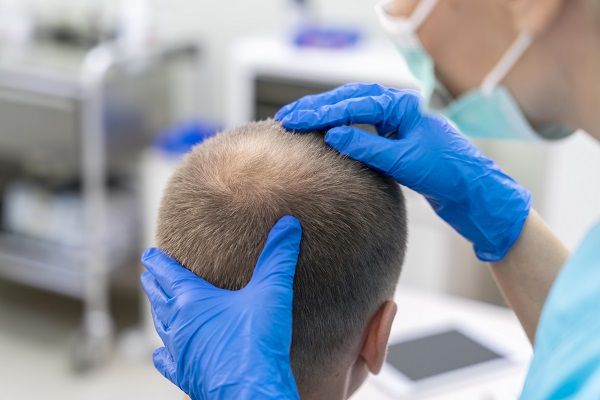
A bald spot on the crown of the head can be attributed to various factors, and understanding the potential causes can help determine the appropriate course of action. Here are some common reasons for a bald spot on the crown:
- Androgenetic alopecia (male or female pattern baldness): This is the most common cause of hair loss and balding. It’s a hereditary condition that can affect both men and women, leading to gradual thinning and balding, often starting at the crown.
- Alopecia areata: Alopecia areata is an autoimmune condition where the immune system mistakenly attacks hair follicles. This can result in hair loss in small, round patches, including on the crown.
- Traction alopecia: Traction alopecia occurs when there is persistent tension on the hair, often due to tight hairstyles like ponytails, braids, or hair extensions. Over time, this tension can lead to hair loss, including on the crown.
- Telogen effluvium: This is a condition where a significant number of hair follicles enter the resting (telogen) phase of the hair growth cycle simultaneously. This can result in diffuse hair shedding, and in some cases, it may manifest as a noticeable bald spot.
- Scarring alopecia: Certain conditions, injuries, or diseases can cause scarring on the scalp, leading to permanent hair loss in affected areas, including the crown.
- Medical conditions and treatments: Some medical conditions, such as thyroid disorders or certain medications (e.g., chemotherapy drugs), can cause hair loss. Hair loss may occur in patches, including on the crown.
- Nutritional deficiencies: Inadequate nutrition, particularly deficiencies in vitamins and minerals essential for hair health, can contribute to hair loss.
- Stress: While stress alone may not directly cause a bald spot, it can exacerbate certain hair loss conditions like alopecia areata or telogen effluvium.
If you are experiencing a bald spot on the crown or significant hair loss, it’s recommended to consult with a healthcare professional or a dermatologist. They can help diagnose the specific cause and recommend an appropriate treatment plan. Depending on the underlying condition, treatment options may include medications, lifestyle changes, or procedures like hair transplantation.
Can hair loss from crown grow back?
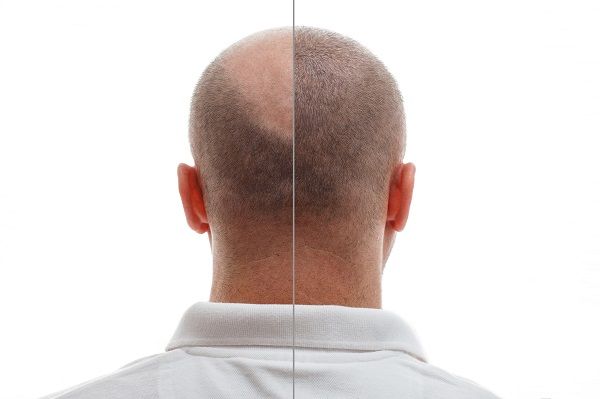
Hair loss from the crown, often associated with androgenetic alopecia (male or female pattern baldness), can sometimes grow back depending on the underlying cause, the extent of follicle damage, and the treatment pursued. Here’s a detailed breakdown:
Factors affecting hair regrowth
- Early intervention:
- Hair follicles that are still active or only slightly miniaturized have a higher chance of regrowth with appropriate treatment.
- Long-term inactivity of follicles may lead to permanent hair loss as the follicles become non-functional.
- Cause of hair loss:
- Androgenetic alopecia: DHT-sensitive hair follicles shrink over time, causing thinner hair or bald spots. Regrowth is possible if the follicles are not completely inactive.
- Telogen effluvium: A temporary hair loss condition caused by stress, illness, or hormonal changes. Hair typically grows back within a few months.
- Alopecia areata: An autoimmune condition where hair may regrow with treatment.
Treatments for crown hair loss

- FDA-approved treatments:
- Minoxidil (topical solution/foam):
- Stimulates blood flow to hair follicles, encouraging growth.
- Available over-the-counter in 2% or 5% strengths.
- Requires consistent use for several months to see results.
- Finasteride (oral medication):
- Blocks DHT production, preventing further hair follicle miniaturization.
- More effective for crown hair loss compared to hairline recession.
- Typically prescribed for men; not suitable for use in women of childbearing age.
- Minoxidil (topical solution/foam):
- Other treatments:
- Low-level laser therapy (LLLT): Non-invasive treatment that promotes hair growth by stimulating hair follicles.
- Platelet-rich plasma (PRP) therapy: Involves injecting platelet-rich plasma from your blood into the scalp to stimulate growth.
- Ketoconazole shampoo: Antifungal shampoo with anti-inflammatory properties that can reduce scalp DHT.
- Hair transplants:
- For advanced hair loss with significant follicle inactivity.
- Transplants healthy hair follicles from a donor area (typically the back of the scalp) to the crown.
- Lifestyle and diet:
- Maintain a balanced diet rich in protein, iron, zinc, and biotin to support hair health.
- Reduce stress and avoid habits that damage hair (e.g., harsh styling, excessive heat).
Expectations and timeline
- Initial shedding: Treatments like minoxidil may cause temporary shedding as weak hairs are replaced with stronger ones.
- Results: Visible improvement may take 3-6 months, with optimal results seen after 12 months of consistent treatment.
- Maintenance: Continued use of treatments is essential to maintain regrowth; stopping can reverse the progress.
When to consult a specialist
If crown hair loss is noticeable or worsening, it’s advisable to consult a dermatologist or trichologist. They can:
- Identify the underlying cause.
- Recommend a tailored treatment plan.
- Monitor progress and adjust treatments if needed.
Can I prevent bald spots on the crown of my head?

Yes, you can take steps to prevent or slow the development of bald spots on the crown of your head, especially if you address the issue early. Prevention strategies focus on maintaining healthy hair, reducing risk factors, and managing underlying conditions like androgenetic alopecia. Here’s how:
1. Understand the causes
- Androgenetic alopecia (Male/Female Pattern Baldness): The most common cause, often linked to genetics and sensitivity to dihydrotestosterone (DHT).
- Other Causes:
- Stress (telogen effluvium).
- Nutritional deficiencies.
- Scalp infections or poor scalp health.
- Autoimmune conditions like alopecia areata.
Identifying the root cause early helps in choosing the right preventive measures.
2. Use proven preventive treatments
DHT blockers:
- Finasteride (oral medication):
- Inhibits the conversion of testosterone to DHT, slowing or preventing hair follicle miniaturization.
- Effective for crown hair loss, but requires consistent use.
- Topical DHT blockers:
- Some shampoos and serums contain natural DHT blockers like saw palmetto or ketoconazole.
Minoxidil (Rogaine):
- A topical solution or foam that stimulates hair follicles.
- Effective in preventing further hair loss and promoting regrowth at the crown.
- Requires long-term use for sustained benefits.
3. Maintain a healthy lifestyle
Diet:
- Eat a balanced diet rich in:
- Proteins: Promote keratin production, essential for hair strength.
- Vitamins: Vitamin D, biotin (B7), and vitamin E support hair health.
- Minerals: Iron and zinc prevent hair thinning.
- Stay hydrated to maintain scalp moisture and health.
Stress management: Stress can lead to hair shedding (telogen effluvium). Practice relaxation techniques like yoga, meditation, or regular exercise to minimize its impact.
Scalp care:
- Use mild shampoos to avoid buildup and irritation.
- Exfoliate the scalp periodically to remove dead skin and improve follicle health.
4. Avoid hair damage
- Limit the use of heat styling tools and harsh chemical treatments that weaken hair.
- Avoid tight hairstyles that can cause traction alopecia.
- Protect hair from excessive sun exposure, which can damage follicles.
5. Regular scalp and hair care practices
- Massage your scalp regularly to stimulate blood flow and strengthen follicles.
- Use hair oils like rosemary or peppermint oil, which may promote growth.
6. Medical and professional interventions
- Low-level laser therapy (LLLT): Non-invasive treatment that boosts blood flow to hair follicles and supports hair growth.
- Platelet-rich plasma (PRP) therapy: Injecting your platelet-rich plasma into the scalp to stimulate hair growth and repair.
- Hair growth supplements: Products containing biotin, saw palmetto, and other hair-supportive nutrients can complement prevention efforts.
7. Early monitoring
- Keep track of your hair density and scalp health. If you notice thinning or hair loss at the crown, consult a dermatologist or trichologist promptly.
- Early treatment has a better chance of preventing bald spots or reversing thinning.
FAQ

1. What causes bald spots on the crown?
Bald spots on the crown can be caused by various factors, including androgenetic alopecia (male or female pattern baldness), alopecia areata, traction alopecia, scarring alopecia, medical conditions, and hormonal changes.
2. Can bald spots on the crown be prevented?
While not all types of hair loss can be completely prevented, adopting healthy hair care practices, managing stress, maintaining a balanced diet, and avoiding tight hairstyles can reduce the risk of developing bald spots on the crown.
3. Are bald spots on the crown reversible?
The reversibility of bald spots depends on the underlying cause. In some cases, such as alopecia areata, hair may regrow on its own. For other types of hair loss, treatments like minoxidil, finasteride, corticosteroid injections, and hair transplantation may be options.
4. What is androgenetic alopecia, and does it cause bald spots on the crown?
Androgenetic alopecia, also known as male or female pattern baldness, is a hereditary condition that can cause gradual hair thinning and balding, often starting at the crown. It is a common cause of bald spots on the crown.
5. Can tight hairstyles cause bald spots on the crown?
Yes, tight hairstyles, such as ponytails, braids, or buns, can cause traction alopecia, leading to hair loss and bald spots. Avoiding tight hairstyles and opting for looser styles can help prevent this type of hair loss.
6. Are there over-the-counter treatments for bald spots on the crown?
Over-the-counter treatments like minoxidil, a topical solution, can be used to stimulate hair regrowth. However, their effectiveness can vary among individuals, and it’s advisable to consult with a healthcare professional for personalized advice.
7. Can stress contribute to bald spots on the crown?
Chronic stress can contribute to hair loss, including bald spots on the crown. Managing stress through relaxation techniques and lifestyle changes may help prevent or minimize hair loss.
8. How can I care for my scalp to prevent bald spots?
Maintain a clean and healthy scalp by using a mild shampoo, avoiding harsh chemicals, and practicing good scalp hygiene. Regular scalp massages may also stimulate blood circulation.
9. When should I see a doctor about bald spots on the crown?
If you notice sudden or significant hair loss, changes in your hairline, or the development of bald spots, it’s advisable to consult with a dermatologist or healthcare professional. Early intervention can be crucial for addressing underlying issues.
10. Can bald spots on the crown be a sign of a serious health condition?
In some cases, yes. While common causes include hereditary factors and certain types of alopecia, bald spots can also be associated with underlying medical conditions. Seeking medical advice can help identify any potential health concerns.