
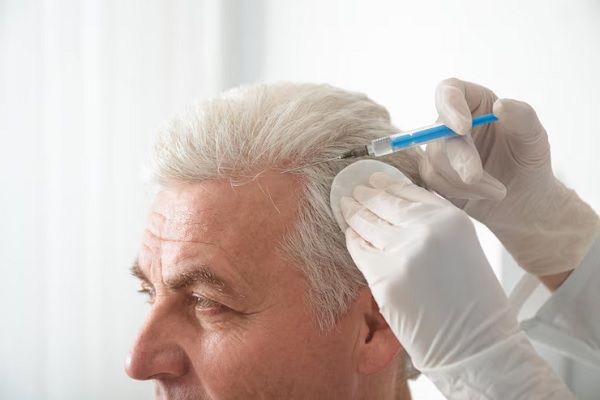
Dutasteride is a medication primarily used to treat benign prostatic hyperplasia (BPH) in men. This condition involves the enlargement of the prostate gland, which can lead to uncomfortable urinary symptoms. As a 5-alpha-reductase inhibitor, Dutasteride works by blocking the conversion of testosterone into dihydrotestosterone (DHT). By reducing DHT levels, this medication helps shrink the prostate and improve urinary flow. Many men seek this treatment not only for symptom relief but also for its potential benefits in hair loss treatment.
In addition to its primary use for BPH, this medication has gained attention for its off-label use in treating male pattern baldness. Hair loss can significantly affect a person’s self-esteem and quality of life. Consequently, understanding the uses, benefits, and potential side effects of Dutasteride becomes essential for anyone considering this medication. This article dives deep into the various aspects of Dutasteride, ensuring you make an informed decision. We aim to provide comprehensive insights about Dutasteride while keeping the tone engaging and informative.
What is Dutasteride?

This medication belongs to a class of medications known as 5-alpha-reductase inhibitors. This drug received approval from the FDA in 2001 for treating BPH. The prostate gland, located below the bladder, can become enlarged as men age. This enlargement can lead to various urinary issues, such as difficulty urinating or frequent urination. Dutasteride alleviates these symptoms by inhibiting the enzyme that converts testosterone into DHT.
Dutasteride’s mechanism of action is unique. By blocking both type I and type II 5-alpha-reductase enzymes, it effectively reduces DHT levels in the body. Lower DHT levels can lead to a decrease in prostate volume, thereby improving urinary symptoms. Furthermore, studies show that Dutasteride can lower the risk of acute urinary retention and the need for surgical intervention in patients with BPH.
Moreover, many men find themselves curious about Dutasteride’s effects on hair loss. Male pattern baldness, characterized by thinning hair and receding hairlines, affects millions. Research indicates that reducing DHT can help slow hair loss and promote regrowth. Therefore, many dermatologists may prescribe Dutasteride off-label for hair loss treatment, making it a versatile option for patients.
Uses of Dutasteride
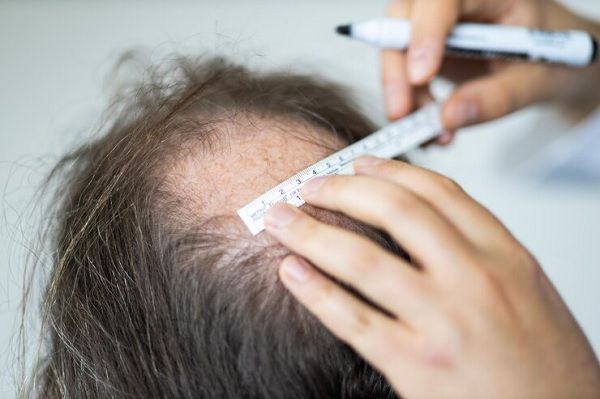
Primarily treats BPH, but its uses extend beyond this. As mentioned earlier, it can also aid in addressing male pattern baldness. By targeting DHT, Dutasteride helps in maintaining healthier hair follicles. Moreover, this medication has also been studied for its potential benefits in treating conditions like prostate cancer.
Studies have shown that Dutasteride might lower the risk of developing prostate cancer in men with elevated PSA levels. However, more research is necessary to establish a definitive link. Patients should discuss their individual risk factors with a healthcare provider before considering Dutasteride for cancer prevention.
Additionally, Dutasteride has shown promise in treating hirsutism in women. This condition involves excessive hair growth in areas where men typically grow hair. By lowering androgen levels, Dutasteride can help women manage this condition. However, its use in women requires careful consideration due to potential side effects.
In pediatric cases, some doctors may prescribe Dutasteride for specific conditions related to androgen excess. Although this is less common, it underscores the medication’s versatility. Regardless of the intended use, consulting a healthcare professional is vital for determining whether Dutasteride is appropriate.
Benefits
The benefits of this medication extend beyond simply alleviating urinary symptoms. For men suffering from BPH, this medication can significantly improve quality of life. Many users report a noticeable decrease in urinary urgency and frequency. This improvement allows them to engage in daily activities without the constant need to find a restroom.
Moreover, Dutasteride can lead to a reduction in prostate size. Studies indicate that men using Dutasteride may experience a 25% decrease in prostate volume within six months. This reduction can further enhance urinary flow, making it easier to urinate. Many users appreciate the rapid onset of these benefits, often noticing improvements within a few weeks.
Additionally, Dutasteride’s role in hair loss treatment cannot be overlooked. Many men have found success in slowing hair loss and even regrowing hair when using Dutasteride. This dual benefit of treating BPH and addressing hair loss makes it a popular choice among men experiencing these issues.
Furthermore, this medication has a favorable safety profile. Most users tolerate the medication well, experiencing minimal side effects. For many, the benefits outweigh the risks, making it a preferred option for managing BPH and hair loss.
Side effects
While this medication offers numerous benefits, it is crucial to consider potential side effects. Every medication comes with risks, and Dutasteride is no exception. Common side effects include decreased libido, erectile dysfunction, and ejaculation disorders. These side effects can impact a man’s sexual health and overall quality of life.
Some men may experience breast tenderness or enlargement while taking Dutasteride. Although these side effects are typically rare, they can cause concern for some users. Additionally, a small percentage of men may experience allergic reactions, such as rash or itching. If any of these symptoms occur, it is essential to consult a healthcare provider promptly.
Moreover, research suggests a potential link between Dutasteride and an increased risk of high-grade prostate cancer. However, it’s important to note that this risk is still under investigation. Discussing personal risk factors with a healthcare provider can help determine the best course of action.
Another significant consideration involves the potential for hormonal changes. Since Dutasteride affects hormone levels, it may lead to mood changes in some individuals. If you notice any unusual changes in mood or behavior, reach out to your healthcare provider.
In summary, while Dutasteride is effective for many, it is not without its side effects. Understanding these potential risks allows individuals to make informed choices about their treatment options. Always consult with a healthcare professional before starting or stopping any medication, including Dutasteride.
Pros and cons
Pros
- Effective in treating BPH: Dutasteride has shown impressive results in alleviating urinary symptoms associated with benign prostatic hyperplasia. Many users experience significant relief within weeks.
- Dual benefit for hair loss: One of the standout features of Dutasteride is its ability to address male pattern baldness. Users often report positive outcomes in hair regrowth.
- Rapid reduction in prostate size: Research indicates that Dutasteride can lead to a noticeable decrease in prostate volume. This reduction can enhance urinary flow and overall comfort.
- Favorable safety profile: Most individuals tolerate Dutasteride well, with only a small percentage experiencing significant side effects. This makes it a viable option for many patients.
- Potential prostate cancer risk reduction: Some studies suggest that Dutasteride may lower the risk of prostate cancer, particularly in men with elevated PSA levels.
Cons
- Sexual side effects: Common issues like decreased libido and erectile dysfunction can affect a user’s quality of life. These side effects may deter some men from using the medication.
- Possible hormonal changes: Dutasteride can lead to hormonal fluctuations, which might cause mood changes or other psychological effects in some individuals.
- Risk of high-grade prostate cancer: Although research is ongoing, some studies suggest a potential link between Dutasteride and an increased risk of high-grade prostate cancer.
- Not suitable for women: Dutasteride is not typically prescribed for women due to potential side effects and hormonal effects. Pregnant women should avoid it altogether.
- Requires ongoing use: To maintain benefits, users generally need to take Dutasteride continuously. Stopping the medication may lead to a return of symptoms.
In conclusion, when considering Dutasteride, weigh the pros and cons carefully. Discuss your options with a healthcare provider to make an informed decision that aligns with your health goals.