
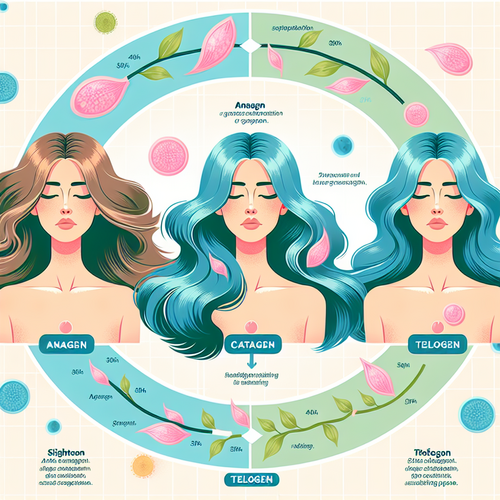
Understanding the hair cycle is crucial for anyone interested in maintaining healthy hair. Just like any other part of our body, our hair goes through distinct phases: growth, rest, and shedding. In this article, we’ll dive deep into each of these phases, exploring what happens during them, and how you can support your hair through its life cycle.
What is the Hair Cycle?
The hair cycle is the natural process through which hair grows, rests, and eventually falls out. This cycle is generally divided into three main phases: anagen (growth), catagen (transition), and telogen (resting and shedding). Understanding these phases can help you better care for your hair and set realistic expectations for hair growth and maintenance.
Phase 1: Anagen – The Growth Stage
The anagen phase is the most exciting part of the hair cycle. This is when your hair is actively growing. Typically, this phase can last anywhere from 2 to 7 years, depending on factors such as genetics and overall health. During this time, hair follicles are in full swing, producing new cells that push up the hair, allowing it to grow longer.
On average, hair grows about half an inch per month during this stage. That might not seem like a lot, but over several years, it can accumulate to a handsome length! If you’re looking to grow your hair longer, focusing on nutrition and general health can help you maximise this phase. Nutrients such as vitamins A, C, D, and E, iron, and omega-3 fatty acids will serve you well.
Factors Affecting Growth
Various factors can influence the length of the anagen phase:
- Genetics: Your family history can determine how long this phase lasts.
- Health Conditions: Issues like hormonal imbalances, nutritional deficiencies, or chronic illnesses can affect hair growth.
- Age: As you age, your hair growth might slow down, and the duration of the anagen phase may shorten.
Phase 2: Catagen – The Transition Stage
This phase is often overshadowed by the exciting growth stage but is equally important. The catagen phase follows the anagen phase and lasts about 2 to 3 weeks. During this stage, the hair follicle begins to shrink, and the hair production ceases. It’s essentially a period of transition.
While it might sound like a bad thing, the catagen phase is actually quite necessary. The body is preparing for the shedding of the hair, which means it’s ensuring that new hair can take its place in the next anagen cycle. Approximately 3% of your hair is in this phase at any given time.
What Happens During Catagen?
Here’s what typically happens during the catagen phase:
- The hair follicle reduces in size, and the hair shaft becomes detached from the follicle.
- Hair stops receiving nourishment at this point, which is why it might start to loosen and prepare for shedding.
- The hair shaft slowly moves toward the surface of the scalp as the follicle begins to undergo a change.
Phase 3: Telogen – The Resting and Shedding Stage
The telogen phase takes place after the catagen phase and can last around 3 months. This is the stage where hair rests before it sheds. At any given time, about 10-15% of your hair is in the telogen phase. In this stage, the hair is no longer growing, and it is just sitting in the follicle waiting to fall out.
Once the telogen phase is complete, the hair will shed to make way for new growth. You may notice increased hair fall during this time, which is entirely normal. On average, it’s common to lose about 50 to 100 hairs a day. If you’re experiencing more than that, it could be beneficial to look into your hair care routine or consult with a healthcare professional.
Managing Hair Shedding
If you’re concerned about hair shedding during the telogen phase, here are some tips on how to manage and support your hair:
- Regular Trims: While trimming doesn’t stop shedding, it can reduce breakage and split ends.
- Gentle Hair Care: Use a wide-toothed comb and avoid tight hairstyles that may cause stress to your hair.
- Diverse Diet: Ensure you’re getting a balanced diet rich in vitamins and minerals that support hair health.
Common Myths About the Hair Cycle
There are plenty of misconceptions surrounding hair growth and shedding, often leading to confusion. Let’s debunk some myths!
Myth 1: Cutting Hair Affects Growth Rate
Many people believe that cutting their hair will speed up its growth. The reality is, hair growth occurs at the follicle level beneath the scalp, so trimming does not impact the rate at which your hair grows. What regular trims can do is remove split ends, making your hair appear healthier.
Myth 2: Hair Can Be Made to Grow Faster
While certain products can promote the appearance of thicker or healthier hair, there’s no miracle cure to speed up hair growth significantly. It’s crucial to focus on the health of your hair follicles and scalp instead.
Myth 3: Stress Stops Hair Growth
While chronic stress can lead to hair loss conditions like telogen effluvium, short-term stress generally doesn’t halt growth. However, managing stress through techniques like yoga, meditation, or physical activity can certainly help support overall health.
Conclusion
Understanding the hair cycle gives you critical insights into how to care for your hair effectively. By being aware of the different phases—anagen, catagen, and telogen—you can take proactive steps to ensure optimal hair health. Remember, genetics, age, and overall lifestyle play significant roles in how your hair behaves, so focus on maintaining a healthy diet and routine.
If you ever feel overwhelmed by hair loss or changes, don’t hesitate to consult with a healthcare professional. Knowledge is power, and understanding your hair cycle is the first step towards achieving your healthiest hair yet!