
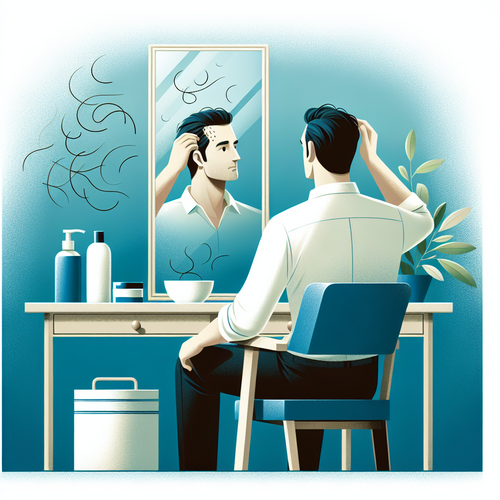
Hair shedding is a common topic among those considering or undergoing hair transplantation. If you’re finding yourself wondering what this means in the context of recovery, you’re not alone. Many who have taken the plunge into hair restoration can experience a myriad of changes, including shedding, once the initial transplant has taken place.
Understanding Hair Shedding
To put it simply, hair shedding refers to the inevitable loss of hair that can occur after a hair transplant. While it may sound alarming, it’s a normal part of the recovery process. After a transplant, your newly transplanted hair may fall out within the first few weeks. This can be due to a variety of factors, including the shock associated with the surgical procedure.
The Shedding Process
After undergoing a hair transplant, patients often notice that their hair begins to shed. This hair loss typically starts about two to four weeks after the procedure. What the body is doing is adjusting to the new hair follicles. During this time, the hair follicles are entering a resting phase called telogen, which is perfectly normal.
Why Does Shedding Happen?
The shedding of hair post-transplant can be attributed to several reasons:
- Shock Loss: Also known as shock shedding, this is a temporary phase where the hair follicles experience stress from the surgical procedure. This experience can lead to thinning or shedding.
- Hair Growth Cycle: Each hair goes through different growth phases – anagen (growth), catagen (transition), and telogen (resting). After transplantation, many follicles may prematurely enter the telogen phase.
- Healing Process: The scalp goes through various healing stages after surgery, leading many follicles to shed before eventually regrowing.
How Long Does Shedding Last?
The duration of hair shedding can vary significantly from person to person. Typically, most shedding occurs within the first three months following the transplant. By this time, many patients will start noticing the emergence of new hair growth. It’s crucial to remain patient during this phase, as it’s not unusual for it to take around six months or more for noticeable growth to become apparent.
What to Expect During Recovery
The recovery process involves a series of phases. Immediately after the procedure, you might experience some swelling and tenderness, which usually resolve after a few days. Following that initial period, the focus will often shift to managing hair shedding and looking forward to new growth.
Managing Expectations
Setting realistic expectations about hair shedding and growth can play a significant role in your recovery experience. It’s essential to remind yourself that:
- Shedding is Typical: It’s part and parcel of the healing process.
- New Hair Growth Takes Time: While you might start to feel disheartened seeing shed hair, the body often takes its time rejuvenating.
- Follow Your Surgeon’s Guidelines: Adhering strictly to your hair restoration specialist’s aftercare plan can facilitate a smoother recovery.
When to Be Concerned
Though temporary shedding is considered normal, there are instances where it could be a cause for concern. If you notice excessive shedding or if the hairs do not seem to be regrowing after several months, it’s advisable to consult your provider. Here are some signs that may require attention:
- Consistent bald patches or areas of thinning
- Itching, redness, or signs of infection in the transplant area
- Lack of new hair growth after six months
Tips for a Smooth Recovery
To aid in a successful recovery and manage any shedding during the process, consider the following tips:
- Stay Hydrated: Drink plenty of water to support your body’s healing processes.
- Maintain a Healthy Diet: Nutrient-rich foods can promote hair health. Include proteins, vitamins, and healthy fats in your meals.
- Be Gentle with Your Hair: Avoid harsh treatments, excessive styling, or stressful hair care routines.
- Follow Post-Op Instructions: Stick to the care protocol provided by your surgeon.
The Emotional Impact of Hair Shedding
Aside from the physical aspect, hair shedding can also trigger emotional responses. Given that many individuals pursue hair transplants to boost their confidence and self-esteem, witnessing shedding shortly after the procedure can be disheartening. Here are some ways to manage the emotional side:
- Communicate: Don’t hesitate to discuss your feelings and concerns with friends, family, or support groups.
- Stay Informed: Understanding the process can help you stay calm and collected during the shedding phase.
- Focus on the End Goal: Keep your mind on the final outcome—a fuller, healthier mane.
Seeking Professional Guidance
If you’re feeling overwhelmed, remember that consultation with your hair restoration specialist or psychologist can provide a supportive avenue through which to address your concerns. They can guide you through the aquatic landscape of recovery, estimating timelines for growth and offering encouragement.
Conclusion
Hair shedding following a transplant may feel discouraging, but it is a temporary phase as your hair follicles adjust to their new environment. It’s essential to be patient and follow a well-structured recovery plan. By understanding the causes of hair shedding in transplant recovery, you can better manage your expectations and stay on track toward achieving the hair restoration results you desire. Remember, a little shed today can lead to a fuller head of hair tomorrow!