
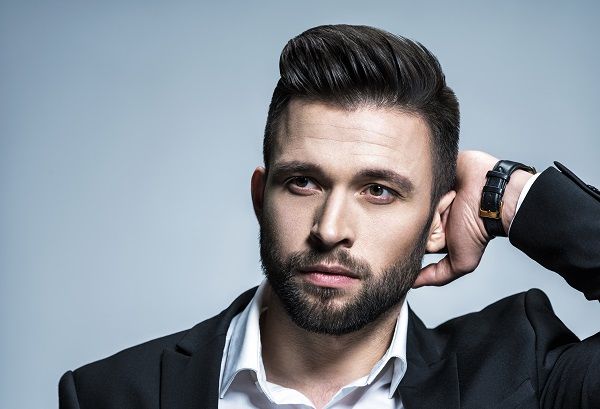
When it comes to achieving luscious locks, understanding hair health is essential. Hair: everything you need to know for healthy growth and care encompasses various aspects, from nutrition to proper styling techniques. By nurturing your hair, you can enhance its natural beauty and promote growth. For tips on caring for wet hair, check out this insightful resource.
Healthy hair doesn’t just happen overnight; it requires consistent care and attention. Factors like diet, stress, and environmental exposure can significantly impact hair health. Knowing how to address these factors can lead to a more vibrant mane. For detailed guidance on maintaining hair, visit this comprehensive guide on hair care.
Hairstyles
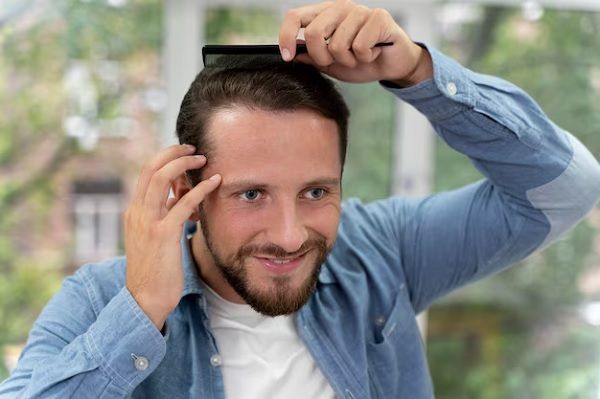
A hairstyle, haircut, hairdo, or coiffure is the styling of hair that is typically performed on the human scalp. This may also include hair removal from the face or body. Hair fashioning is a subset of grooming practices, fashion, and cosmetics, and practical, sociological, and popular considerations influence certain hairstyles.
Types of hairstyles
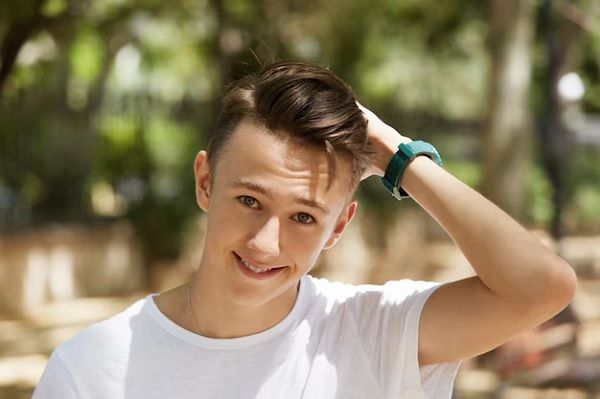
Over the years, different hairstyles have come and gone. And lately, some hairstyles keep making comebacks, trending back from obscurity. Even as gender lines continue to blur out hairwise, the distinction between male and female hairstyles thrives to some extent.
Male hairstyles
It might seem that men are simple and don’t care about having too many hairstyles to pick from, but the styles listed below are some of the many that seem to be shared among men:
- Bald head: this hairstyle is also known as a buzz cut, shaved head or skin cut. This one seems to be the easiest and most common hairstyle among men. While some do it to finish up a receding hairline and get it over with, others genuinely love to feel the breeze on their scalp at all times.
- Flattop: this hairstyle was trendy in the United States of America at some point in history. While some people consider it a thing of the past, some loyal and faithful carriers of the ancient style remain to remind us how incredible history was.
- Dreadlocks: this hairstyle is one of the few unisex hairstyles that are still trending among both sexes. But there is no denying that men started it.
- A crew cut: this is a haircut in which the upright hair on top of the head is cut relatively short, graduating in size from the most extended hair that constructs a short pomp at the front hairline to the shortest at the back of the crown, so that the outline of the top hair approaches the horizontal in side profile. Head form, face shape, and facial features, the design of the whole hair can be arched or levelled at the short pomp front and round or flattened throughout the rest of the top to compliment the front hairline. Hair on the sides and back of the head is either tapered short, semi-short, or long.
- Mohawk: also known as a Mohican, the mohawk is a haircut made by cutting off the hair on both sides of the head but leaving a long line of hair that sticks up straight in the middle. This hairstyle was made famous by football players.
Female hairstyles
In most societies, females have more options for hairstyles to pick from, primarily because most institutions accept that hair means a lot to a woman. Specific conservative communities do not permit such luxuries, though. Below are some of the most common hairstyles for women in society:
- Bob: This is a hairstyle for women that is made by cutting the hair short or equaling length at the chin or neck level. This is usually caused by women with straight hair but can be done with wigs or hair extensions.
- Pageboy: do not be deceived by the “boy” in the name. this hairstyle for ladies is pretty short, and the ends of the hair strands are turned inwards towards the face or neck. This hairstyle closely resembles the bob hairstyle.
- Bangs: This is a hairstyle with short hair hanging down at the front and covering most of the forehead.
- Topknot: this hairstyle is for long hair. The hair is tied into a ball on the centre of the head. Ladies with short hair will have to use hair attachments or extensions.
- Chignon: This hairstyle is similar to the topknot, but in this case, the long hair is tied up in a loose ball just behind the head.
Hair tinting

Hair tinting, dyeing, or colouring is considered a branch of hairstyling on its own. It involves the use of synthetic or natural dyes to change the colour of the hair. This is suitable for both long and short hair and can be done by both men and women.
People tint their hair for different reasons. Such people include older people and people with poliosis, albinism, and other hair-whitening conditions. Apart from changing the hair colour just for the sake of trying out a new look, it is a common practice for people with white or greying hair to try concealing the white strands using dark colours or dyes.
How do you color your natural hair?
Hairstylists and medical professionals agree that changing the colour of one’s natural hair is okay. Colour is classified into three types: demi-permanent, semi-permanent, and permanent. To protect the integrity of your hair, pick a good colour that fits your hair care program, from semi-permanent to permanent, based on a weekly or biweekly shampoo and conditioner. These colours fade gradually, do not bleach the hair, and are designed to deposit colour. Semi-permanent dyes last six to eight weeks.
Hairstylists can use the colours to improve the colour of your hair and provide you with exciting colour options ranging from dark to colourful tones without hurting your hair. The semi-permanent dyes are blended into a low-volume developer with a potential lifespan of up to 12 weeks. These colour mixtures can produce a subtle lift. The natural colour of your hair can get a little kick from semi-permanent dyes, so following up with a deep conditioner every two weeks is very important.
Choice of colour is also essential. You should consider the colour of most of your outfits, ensuring that they match the colour of your hair. If you find it difficult to decide, you can hardly go wrong with black, grey, ash, silver, and wine colours.
Frequently asked questions
How does diet affect hair health?
Diet plays a crucial role in the health and growth of your hair. Essential nutrients such as proteins, vitamins, and minerals contribute significantly to hair strength and vitality. Foods rich in omega-3 fatty acids, such as salmon and walnuts, nourish the scalp and promote shine. Additionally, biotin, found in eggs and avocados, supports keratin production, which is vital for hair structure.
Moreover, iron and zinc are crucial for preventing hair thinning. Incorporating leafy greens, nuts, and seeds into your meals can ensure you get these important minerals. A balanced diet not only enhances hair growth but also improves overall health, fostering a robust foundation for beautiful hair.
What are the best practices for washing hair?
Washing your hair properly is essential for maintaining its health. First, consider how often to wash it based on your hair type. Oily hair may require more frequent washing, while dry hair benefits from less frequent cleansing. Use a sulfate-free shampoo to avoid stripping natural oils.
Before applying shampoo, wet your hair thoroughly to help distribute the product evenly. Gently massage the scalp while shampooing to stimulate blood circulation. Rinse thoroughly to remove residue, and follow up with a conditioner suited to your hair type. Conditioning helps to lock in moisture and reduce frizz.
Can stress affect hair growth?
Yes, stress can significantly impact hair growth. When the body experiences stress, it may trigger a condition called telogen effluvium, where hair follicles enter a resting phase. This leads to increased hair shedding and noticeable thinning.
Managing stress through techniques like meditation, exercise, or hobbies can help mitigate its effects on hair. Prioritizing self-care not only improves mental well-being but also supports healthy hair growth. Remember, a healthy mind contributes to a healthy body and, ultimately, beautiful hair.
What role does hydration play in hair health?
Staying hydrated is vital for overall health, including hair health. Water helps maintain the moisture balance in your body, which directly affects your hair. Dehydration can lead to dry, brittle hair that is prone to breakage.
Drinking an adequate amount of water daily can improve your hair’s elasticity and shine. Additionally, consider using hydrating hair products that contain ingredients like aloe vera or glycerin. These ingredients can provide extra moisture, keeping your hair soft and manageable.
How do environmental factors influence hair?
Environmental factors, such as pollution and UV exposure, can significantly affect hair health. Pollutants can accumulate on the scalp and hair, leading to dullness and damage. UV rays can weaken hair strands, making them more susceptible to breakage.
To protect your hair, consider wearing a hat when outdoors for extended periods. Additionally, using hair products with UV protection can help shield your strands from harmful rays. Regularly cleansing your hair to remove dirt and pollutants is also essential for maintaining its health and vitality.
What are some common hair myths?
There are numerous myths surrounding hair care that can lead to confusion. One common myth is that cutting hair makes it grow faster. While regular trims eliminate split ends, they do not influence the rate of hair growth.
Another myth is that wearing a hat causes hair loss. In reality, hats do not affect hair follicles. Hair loss is primarily influenced by genetics, hormones, and health conditions. Understanding these myths can help you make informed decisions about your hair care routine.