

Hair growth from within the hair follicles can be likened to the way trees grow out of a network of interactions between seeds or roots within the soil. Likewise, it takes a combination of different cellular functions for hair to grow. That’s why the roles of hair follicles can never be underestimated because, without it, all these interactions within the skin would amount to nothing.
The hair follicles are responsible for the density, length, color, and thickness of hair. So, good density, decent length, rich color, and thickness all depend on the health of the follicles. Unfortunately, so many things can hinder these qualities and damage the hair follicles. In this article, we’ll define what hair follicles are and highlight some of the things that cause damage to them without forgetting signs to look out for to identify damaging hair follicles. For more insights into hair rejuvenation, check out this guide on mesotherapy
Hair Follicles
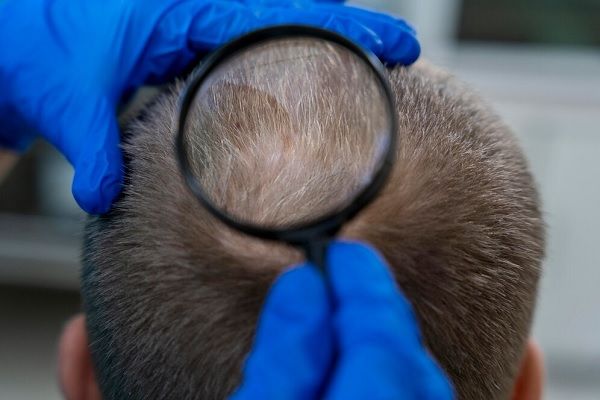
Hair follicles are the holes in the skin out of which hair grows. They are found in several parts of the body, including the face, scalp, arm, leg, neck, torso, and so on. They are sunk deep within the skin of every part they are found. While their functions are similar in most of these places, it is more intense around the scalp, and this is an area our focus will be.
For every individual, these follicles differ in their depths and sizes. Additionally, there are about 100,000 follicles within the scalp, each performing their functions concerning the hair growth cycle – the anagen, the catagen, the telogen, and the exogen. Judging by the significance of the follicles, anything that affects them will affect hair growth, which can damage an individual’s appearance. So, what things can cause damage to the hair follicles?
Things that damage hair follicles

As said earlier, there are so many things that can cause damage to hair follicles. And a few of them include pattern baldness, inflammation, infections, harsh hair products, excessive hairstyling, and so on. We’ll discuss each of them. Please keep reading
Pattern Baldness
The clinical name identified with pattern baldness is androgenic alopecia. Despite differing manifestations, it is a form of hair loss that happens both in males and females. When you notice an M shape pattern on a man’s head, that’s a signal for pattern baldness. In contrast, women don’t experience this recession. Hair thinning is the indication that signals androgenic alopecia for them. It is called male pattern baldness in men, while in women, it’s called female pattern baldness.
This damage can be dangerous to the hair follicles if it’s not identified and corrected immediately. Although there are treatment options like hair transplant, it’s cheaper to be safer than sorry.
Inflammation
Inflammatory conditions in the scalp are also known as folliculitis. It appears like a pimple when this happens, and people ignore it. However, it can degenerate into a severe infection that can damage the hair follicles.
It is caused by unhealthy lifestyles, which bring bacterial infections that affect the scalp. Some factors that bring inflammation include tight headgear, some specific medications, hair waxing, etc.
Infections
One of the most dangerous infections that can damage the hair follicles is tinea capitis. In its mild stage, it causes hair shedding. And in its severe stage, it causes inflammation that could degenerate into permanent scarring and hair loss. With the threat it poses, it is crucial to treat it as soon as it is identified.
Excessive hair styling
More than all the things mentioned above, excessive hair styling causes the most damage to the hair follicles. When there’s an undue tension on the hair, it leads to breakage and hair loss. It is also known as traction alopecia, which manifests in both males and females.
How do you know your follicles are damaging?

The following are some of the signs to look out for to identify damaged or damaging hair follicles:
- Hair Loss
- Skin Irritation
Natural ways to repair damaged or damaging hair follicles

The following are some of the naturally effective ways of repairing damaged or damaging hair follicles:
Diet Optimization
As much as people underrate the significance of healthy diets, it predominantly affects all body parts, including the hair follicles. So, it shouldn’t feel like a chore to eat healthily. On the contrary, it is a matter of necessity. So, to repair damaged hair follicles, you must start eating healthy.
These foods should be rich in protein, vitamins, iron, selenium, zinc, niacin, and so on. All of these nutrients improve follicular health, which improves hair growth. They can be found in foods like vegetables, fruits, nuts, grains, seeds, meat, etc.
Regular Scalp Cleaning
Several particles can build up on the scalp and cause damage. They include environmental particles, sebum (natural hair oil), sweats, dead cells, and so on, a combination of which forms thick layers of plaques and causes damage. That’s why it is crucial to have regular scalp cleansing with bentonite clay scrubs.
This bentonite clay soothes hair scalp and provides several minerals that improve its health. It also helps to remove the accumulated particles on the scalp. So, whenever you scrub with it, ensure you wash it off properly.
Scalp Massaging
Scalp massage is a seamless action with a significant level of effect. When you massage your scalp, you allow blood flow to the follicles. This way, hair-growing cells are nourished, and they resume their functions that have been halted by lack of supply. So don’t undermine the value of blood circulation to your scalp, and the manual way to get it done is through massage.
Avoid Heat Application
To repair damaged follicles, you need to do away with any form of heat application, be it a hot shower, heat dryer, or color dyes. These are overwhelming on the hair follicles because they hinder the follicles from producing a natural oil that protects and smoothens the hair.
Bottom Line
From this article, you inevitably know what you can do to improve the health of your follicles. However, while that’s taken, strict adherence to a healthy follicular lifestyle is also advised.
Frequently asked questions
What causes damage to hair follicles?
Hair follicle damage can be caused by several factors, including genetics, hormonal changes, stress, and environmental pollution. Poor nutrition and excessive use of hair styling products can also contribute to the problem.
How can I tell if my hair follicles are damaged?
Signs of damaged hair follicles include thinning hair, hair loss, and an itchy or inflamed scalp. You may also notice increased hair breakage and a slower growth rate.
What are some natural remedies to repair damaged hair follicles?
Natural remedies include using essential oils like rosemary and peppermint, applying aloe vera gel, and massaging your scalp regularly. These methods can improve blood circulation and enhance follicle health.
Is diet important for hair follicle health?
Yes, a balanced diet plays a vital role in maintaining healthy hair follicles. Foods rich in vitamins A, C, D, E, zinc, and omega-3 fatty acids can promote hair growth and strengthen your follicles.
Can stress affect hair follicles?
Absolutely. High levels of stress can lead to a condition known as telogen effluvium, causing hair to enter the shedding phase prematurely. Managing stress through mindfulness techniques can help improve hair health.
How does scalp massage help hair follicles?
Scalp massage stimulates blood flow to the hair follicles, promoting nutrient delivery and enhancing hair growth. It can also relieve tension and improve overall scalp health.
Are there specific oils that can help repair hair follicles?
Yes, essential oils like castor oil, coconut oil, and jojoba oil are known for their nourishing properties. They can moisturize the scalp and strengthen hair strands, helping to repair damaged follicles.
How often should I use natural treatments on my hair?
You can apply natural treatments 2-3 times a week. Consistency is key to seeing results. Always ensure that the treatments are appropriate for your hair type.
Can herbal supplements improve hair follicle health?
Certain herbal supplements, such as saw palmetto and ginseng, are believed to support hair follicle health. However, consult with a healthcare professional before starting any new supplement.
How long does it take to see results from natural treatments?
Results can vary depending on the individual and the method used. Generally, you may start seeing improvements in hair thickness and growth within 3-6 months of consistent treatment.
Is it necessary to avoid heat styling tools?
Limiting the use of heat styling tools can significantly benefit your hair follicles. Excessive heat can lead to further damage and weaken hair strands, so opt for air drying when possible.
How does hydration affect hair health?
Staying hydrated is crucial for overall health, including hair health. Adequate water intake helps maintain moisture levels in your hair and scalp, promoting healthy follicle function.
Can I repair damaged hair follicles at home?
Yes, many natural remedies can be applied at home to repair damaged hair follicles. Incorporating a healthy diet, using essential oils, and practicing scalp massages can yield positive results.
Should I consult a dermatologist for hair issues?
If you’re experiencing significant hair loss or discomfort, it’s wise to consult a dermatologist. They can provide personalized advice and recommend treatments tailored to your specific needs.
Is it possible to regenerate hair follicles?
While completely regenerating hair follicles is challenging, you can improve their health and function with the right treatments. Natural remedies, a balanced diet, and proper care can enhance follicle activity.
What lifestyle changes can promote hair growth?
Incorporating regular exercise, managing stress, and ensuring a balanced diet can significantly promote hair growth. A healthy lifestyle supports overall well-being, including hair health.