
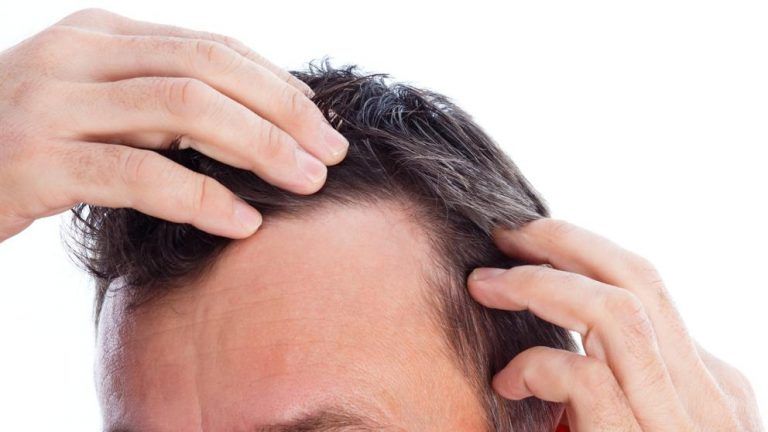
If you observe some adverse changes in the appearance and quality of your hair, and you’ve tried several dos and avoided as many don’ts, but it seems like there’s no positive, quantifiable difference, you might need a change in your diet. The best treatment your hair needs apart from scalp stimulation, regular trim, and nonapplication of chemical hair care products is good nutrition from eating healthy foods. If you are interested in hair care, perhaps you should also visit our article on the consequences of sleeping with wet hair.
As much as unchangeable factors negatively affect hair, having a healthy diet subtly reduces the harsh effects of these factors. In other words, a balanced diet significantly promotes hair growth, especially if the hair loss condition is a product of poor nutrition. Hence, it is important to be intentional about consuming foods that supply the hair’s best nutrition for growth. If you don’t know these nutrients, you don’t have to worry because, in this article, we’ll list some of them and their food source, which the hair needs for growth. But, before that, we’ll explain the place of nutrition in hair growth and hair loss.
The place of nutrition in hair growth and hair loss
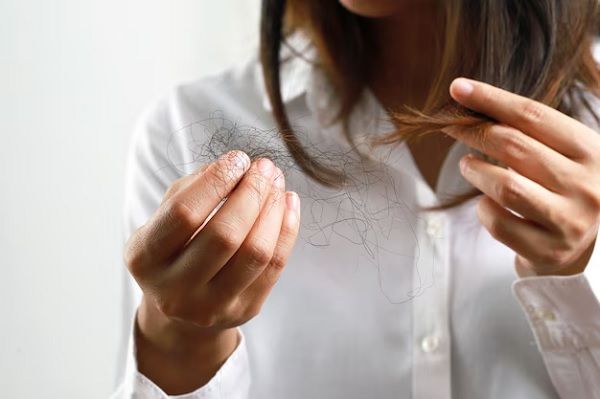
It’s almost impossible to displace proper nutrition for hair growth. However, the hair is an auxiliary part of the body that receives nutrients after the body has supplied vital organs. However, as little as the residue could be, they are always decent enough to maintain the hair growth cycle and give it the required strength and luster. Now imagine eating adequately such that the body has enough to give vital organs and more to give the hair. Great? Definitely! This shows you how the littlest nutrition is beneficial to hair growth.
Conversely, while poor nutrition isn’t the most threatening cause of hair loss, it can pose a significant threat to your hair health and its general wellbeing. This is because the hair requires some nutrients to keep working desirably. Without these nutrients, you might see some symptoms ranging from discoloration to brittleness, recession, dryness, thinning, and so on. Once you notice any or all of this, that’s the indication you need to change your diet for the better because your hair needs it for its growth.
What are the best nutrients the hair needs for growth?
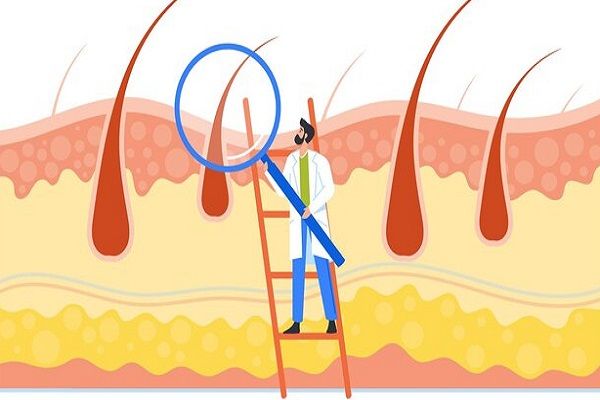
The following are some of the nutrients your hair needs for its growth and optimal performance:
B Vitamins
As far as its benefits for hair growth, B vitamins assume a carrier role. It is responsible for transferring oxygen and other nutrients to all cells in our body, especially the ones available in our hair follicles and scalp, which are derived from our red blood cells. Without B vitamins, the hair suffers because the necessary nutrients from the red blood cells are halted, and the cells in the follicles and scalp will starve.
This starvation could lead to consistent shedding, discouraging growth, and eventual breakage. That’s why it has to be avoided by having foods rich in B vitamins. Some of these foods include oatmeal, pork tenderloin, chicken, selected dairy foods, beans, and several other foods with a decent concentration of B vitamins.
Omega-3 fatty acids
If you observe the ingredients of most hair oil, you’ll realize there’s a significant addition of omega-3 fatty acids in them. This is no fluke, and it indicates how efficient it is in hair growth. But you can’t rely on this product for a decent supply of omega-3 fatty acids. Instead, it would be best to rely on foods that adequately provide it.
These foods include fish like salmon, tuna, mackerel, sardines, etc. If you don’t eat fish, you can find this nutrient in plant-based food like soybeans, walnuts, flaxseeds, canola oil, and so on. Consuming a good amount of omega-3 fatty acids prevents dryness because it’ll supply the scalp with needed oil, making it shine and ease hair growth.
Protein
If you’ve previously read it somewhere, or you’ve been told your hair is a product of interactions between tough protein and other nutrients, this is the confirmation that it’s legit. The hair is made of a self-produced protein known as keratin. This protein is very effective in the hair growth cycle and forms visible features like color, length, and texture.
A healthy amount of it means the hair gets enough supply for the continuation of this primary function, resulting in high-quality hair and beautiful hair. On the other hand, if there’s a reduction in the supply of protein, it immediately shows in the physical features of the hair. Hence it would help if you had a constant supply of foods like eggs, fish, red meat, Low-fat mozzarella, tofu, cottage cheeses, quinoa, etc.
Biotin
Biotin is always available in foods and supplements. While you don’t require a doctor’s prescription to moderately eat and get it from the food supply, you’ll need doctor’s prescriptions before taking its supplements. Whatever the case may be for you, biotin is an important nutrient required for hair growth.
It must interact with other cell enzymes that produce the constantly available protein in the hair. If your diet is low in protein, you can derive a decent amount from walnuts, carrots, cauliflower, almonds, etc. Without biotin nutrients, the chances are high that the hair quality will degenerate to a level inviting for hair loss at the end of the day.
Zinc
The effects of zinc nutrients on the hair are enormous. Apart from preventing hair loss, zinc constantly updates the functions of the sebaceous gland in the secretion of wax and oil substances that keeps the scalp moisturized. In addition to this, it also binds available protein for optimal performance.
You can derive zinc from food like clams, heavily available in oysters, shellfish, crabs, mussels, lobsters, and other food with a decent zinc concentration.
What others vitamins are essential for hair growth?
Vitamin A
Vitamin A is crucial for maintaining healthy hair as it promotes the production of sebum—a natural oil produced by the sebaceous glands. Sebum keeps hair moisturized, preventing dryness and brittleness, which can lead to breakage and poor hair health. In addition to carrots, sweet potatoes, spinach, and kale, other sources of vitamin A include apricots, cantaloupe, and dairy products. Incorporating these foods into your diet can help ensure you receive adequate amounts of this vital nutrient, contributing to stronger and shinier hair.
Vitamin C
As a powerful antioxidant, vitamin C plays a critical role in protecting hair follicles from oxidative stress caused by free radicals. This protection is essential for maintaining the health of the hair and may help reduce hair loss. Moreover, vitamin C enhances the absorption of iron from plant-based sources, which is vital for hair growth. Citrus fruits like oranges and lemons, strawberries, bell peppers, and broccoli are all excellent sources of vitamin C. Including these foods in your daily meals can not only boost your immune system but also support the vitality of your hair.
Vitamin D
Vitamin D is increasingly recognized for its potential role in hair health, particularly its association with hair loss. Research suggests that low levels of vitamin D may contribute to conditions like alopecia areata. This vitamin is believed to stimulate the creation of new hair follicles, which can promote hair growth. Key sources of vitamin D include fatty fish such as salmon and mackerel, fortified foods like milk and cereals, and the most natural source—sunlight. Spending some time outdoors, while ensuring you also take precautions against sun exposure, can help maintain optimal vitamin D levels.
Vitamin E
Vitamin E serves as a potent antioxidant that helps combat oxidative stress on the scalp, which can hinder hair growth. Additionally, it improves blood circulation to the scalp, ensuring that hair follicles receive adequate nutrients and oxygen. This nutrient is crucial for maintaining a healthy scalp environment. Foods rich in vitamin E include nuts (such as almonds and hazelnuts), seeds (like sunflower seeds), spinach, and avocados. Regularly consuming these foods can significantly enhance the health of your hair and scalp.
Iron
Iron is an essential mineral that plays a pivotal role in transporting oxygen to hair follicles, which is necessary for their growth and maintenance. A deficiency in iron can lead to hair thinning and increased shedding. Women, in particular, may be at risk for iron deficiency due to menstrual blood loss. Good dietary sources of iron include red meat, poultry, lentils, beans, spinach, and fortified cereals. Pairing iron-rich foods with vitamin C sources can enhance iron absorption, further supporting healthy hair growth.
Folic Acid (Vitamin B9)
Folic acid, also known as vitamin B9, is vital for the production of red blood cells, which are responsible for transporting oxygen and nutrients to hair follicles. A deficiency in folic acid can lead to weak and brittle hair, as well as an increased risk of hair loss. To ensure adequate intake, include leafy greens such as spinach and kale, legumes like chickpeas and lentils, and fortified cereals in your diet. Maintaining proper levels of folic acid can support not only hair health but also overall well-being.
Frequently asked questions

Can supplements improve hair growth?
Supplements can be beneficial for hair growth, especially if your diet lacks essential nutrients. Biotin supplements are popular for promoting hair strength and growth. Omega-3 fatty acids help nourish hair and support scalp health. Vitamin D and iron supplements can also be beneficial, particularly for those with deficiencies. However, it’s essential to consult a healthcare professional before starting any supplement regimen. A balanced diet is always the best approach, but supplements can complement your nutrition for enhanced results in achieving the best nutrition for hair growth.
How does hydration affect hair health?
Hydration is essential for maintaining healthy hair. Water helps transport nutrients to hair follicles, keeping them nourished. Dehydration can lead to dry, brittle hair and may hinder hair growth. Drinking adequate water daily ensures your scalp remains hydrated and promotes optimal hair health. Including foods with high water content, such as cucumbers and watermelon, can also support hydration. Remember that the best nutrition for hair growth includes not just quality foods but also proper hydration to enhance overall hair vitality.
Are there lifestyle changes that can promote hair growth?
Yes, lifestyle changes can significantly impact hair growth. Reducing stress through mindfulness practices, exercise, or hobbies can improve overall health, including hair health. Adequate sleep is crucial for recovery and hair growth, as the body repairs and regenerates cells during rest. Avoiding harsh hair treatments and chemicals can prevent damage and promote healthier hair. Moreover, regular scalp massages can increase blood circulation, encouraging hair growth.
How long does it take to see results from dietary changes?
Seeing results from dietary changes can vary depending on individual factors such as genetics, overall health, and consistency. Generally, it takes about three to six months to notice significant improvements in hair growth after making substantial dietary changes. Hair growth is a gradual process, and patience is essential. Maintaining a balanced diet rich in the necessary vitamins and nutrients will ensure you’re on the right path toward achieving the best nutrition for hair growth. Consistency in both diet and hair care practices is key to long-term results.