
When it comes to hair transplants, one term you might come across is “donor area.” But what does this mean, and why is it so important? In this article, we’ll explore the concept of the donor area in relation to hair transplants, its significance in the procedure, and what you should know if you’re considering such a treatment.
Understanding the Donor Area
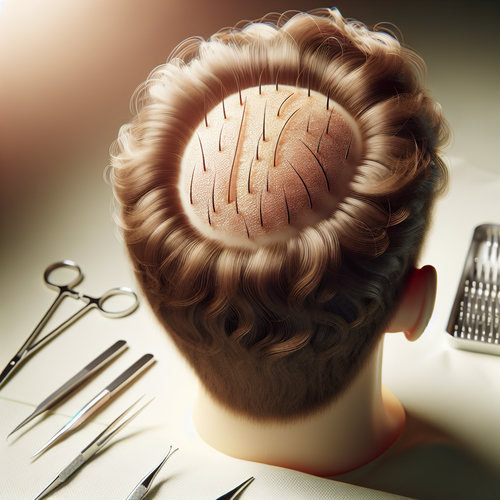
The donor area is the part of your scalp from which hair follicles are harvested during a hair transplant. Typically found at the back or sides of the head, these regions are chosen because the hair here is usually more resistant to balding compared to hair on the crown or front of the scalp.
Why Is the Donor Area Important?
Understanding the donor area is crucial for several reasons:
- Follicle Quality: Hair follicles from the donor area are generally of higher quality. This is essential because the quality of the follicles directly impacts the success of the transplant.
- Amount of Donor Hair: The size and density of the donor area determine how many grafts can be harvested. This is vital for planning your procedure.
- Uniqueness of Donor Hair: The characteristics of the hair from this area (e.g., thickness, curliness) will influence the final look of the transplanted hair, making it important to choose a suitable donor area.
How Is the Donor Area Selected?
The process of selecting an appropriate donor area involves a careful evaluation by the hair transplant surgeon. They will assess factors such as:
- Hair Density: The denser the hair in the donor area, the more grafts can be taken.
- Hair Texture and Type: The surgeon must match the hair type in the donor area to the hair type in the recipient area for a natural-looking result.
- Scalp Elasticity: This affects how well hair can be harvested and whether there will be visible scarring.
Different Techniques for Hair Harvesting
There are two primary methods of hair harvesting in a transplant procedure: Follicular Unit Transplantation (FUT) and Follicular Unit Extraction (FUE).
Follicular Unit Transplantation (FUT)
In FUT, a strip of skin with hair follicles is removed from the donor area. This method is great for those who might need a larger number of grafts but can leave a linear scar. The donor area is stitched closed, and care is taken to ensure a neat and tidy appearance as it heals.
Follicular Unit Extraction (FUE)
FUE involves removing individual hair follicles directly from the donor area. This technique is less invasive, can result in minimal scarring, and allows you to wear your hair shorter if desired. However, it may not be suitable for everyone, particularly those who require a lot of grafts.
Caring for the Donor Area
Post-procedure care of the donor area is essential to ensure proper healing and to minimise visible scarring. Here are some important steps to follow:
- Avoiding Strain: It’s advisable to take it easy after the surgery to avoid straining the donor site.
- Keep It Clean: Follow your surgeon’s advice on how to clean the donor area to prevent infection.
- Manage Scabbing: Small scabs may form post-surgery, and it’s important not to pick at them as this can lead to scarring.
Potential Issues with the Donor Area
While hair transplant procedures are generally safe, there are potential issues that can arise concerning the donor area:
- Scarring: Each harvesting technique has a different scarring profile. With FUT, the linear scar may be a concern for some, while FUE leaves tiny dots that can be less visible.
- Insufficient Graft Availability: Some individuals may have a limited donor area, which can restrict the number of grafts available for transplant.
- Thinning Donor Hair Over Time: If the hair in the donor area becomes thinner over time, it can affect the overall result of the transplant.
The Importance of a Professional Evaluation
Before undergoing a hair transplant, it’s essential to have a thorough evaluation by a qualified professional. They will assess your hair loss, examine your donor area, and discuss the best options for you. Not every donor area is suitable for every person, and a personalised approach is vital for ensuring the best results.
What to Expect Post-Transplant
After your hair transplant, you can expect a healing period where the donor area may be sensitive. Many people experience some degree of swelling or discomfort, but these symptoms usually subside within a few days.
Long-Term Care and Maintenance
Once your hair starts growing, typically a few months post-transplant, it’s essential to maintain good hair care practices. Using gentle shampoos, avoiding excessive heat, and keeping stress levels in check can help ensure your results are as good as they can be.
Conclusion
The donor area is a critical component of the hair transplant process. Understanding its role, how it’s selected, and how to care for it can greatly influence your overall experience and results. Taking the time to consult with a professional and understand what to expect will help you on your journey towards fuller, more natural-looking hair.
If you or someone you know is considering a hair transplant, be sure to share this information. A proactive approach will help make your hair restoration journey a success.