

If you dab your hand around your hair and notice it is frizzy, coarse, and feels like straw, you should know that your hair is getting dry. This means that your scalp is unable to provide your follicles with natural oil that’ll keep the hair moisturized and hydrated. While this isn’t as terrible as people make it out to be, it can pose a considerable threat to your hair health.
So you need to keep your hair hydrated as often as possible. When you do this, you aren’t only saving your hair from dryness, but you’re also enhancing your hair health. So if you’re not aware of effective ways to keep your hair hydrated, let us help you. Through this article, we will recommend five effective ways to naturally hydrate your hair if it’s dry or maintain hydration if it’s not. But before that, let’s first discuss what makes the hair dry. For more insights into hair care, you can visit our page on bioplasty hair.
What makes hair dry?
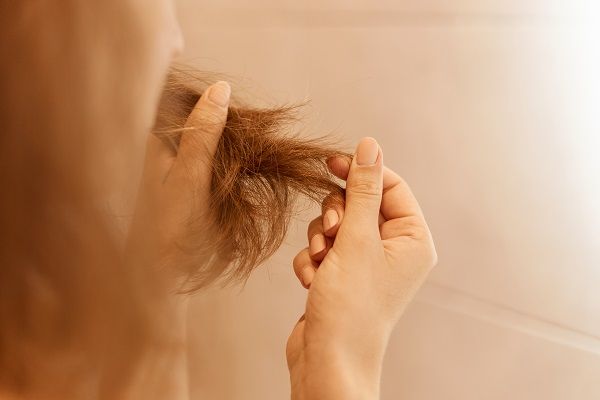
There’s a sebaceous gland within the hair skin that produces a natural oil called sebum. This oil is what gives the hair its natural shine. Bearing this in mind, why does the hair get dry when it has a natural oil supply? There are several answers to that question, and it includes the following:
Environmental exposure
Environmental conditions on the hair are too harsh and unfriendly on the hair. So naturally, the moisture level in the hair is quite limited. But with environmental exposures like sun, humidity, wind, and other environmental pollutants, it gets more depleted, resulting in hair dryness.
Hair care routines
Bad hair care practices are the primary causes of dryness in the hair. While most people do them thinking they are improving the quality of their hair, they are causing it more damage. Hair care routines like an everyday wash, heat styling, and chemical applications are some of the hair care practices that reduce the oil in the hair, making it dry.
Medical condition
Some medical conditions pose a direct threat to hair health, and the first evidence of this is a reduction in the moisture available for the hair. Some of these conditions include hypothyroidism, anorexia nervosa, and hypoparathyroidism, to mention a few. What’s more, the drugs you use to treat these conditions may also affect your hair health.
Heat damage
The frequent use of heat styling tools, such as blow dryers, curling irons, and straighteners, can lead to significant moisture loss. These tools raise the temperature of the hair strands, which can cause the cuticle to lift and allow moisture to escape. Over time, this can result in frizzy, dull hair that lacks luster.
Chemical treatments
Including coloring, perming, or relaxing, are also notorious for causing dryness. These processes can damage the hair cuticle, making it more porous and prone to losing moisture. While these treatments can enhance appearance temporarily, they often leave hair feeling dry and damaged in the long run.
Improper washing habits
Improper washing habits can further exacerbate the problem. Overwashing hair strips away the natural oils that provide essential moisture. Conversely, not washing enough can lead to product buildup, which can suffocate the hair and contribute to a dry appearance. Finding a balance is crucial for maintaining healthy hair.
While each of these causes is potent enough to make the hair dry, sometimes they might combine, making things worse for the hair. So what do you do, especially if your hair is dry through the first two causes? You hydrate it.
Five effective ways on how to naturally hydrate the hair

The following are tested ways how to hydrate your hair whether it’s already dry or you want to keep it hydrated:
1. Try hydrating shampoo
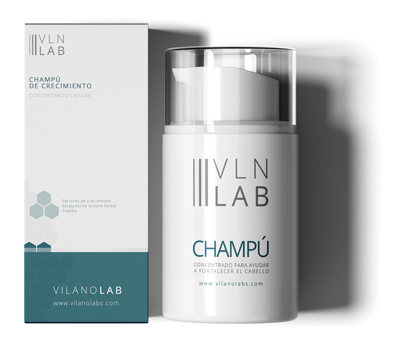 If you’re wondering what hydrating shampoo is, it’s a shampoo with mild yet effective cleansing and nutritional components. It acts as a protective agent for the natural layers of the hair while retaining moisture within while keeping the hair hydrated. It works perfectly without stripping the hair off its natural oils like other shampoos.
Its components include ingredients like natural oils, glycerine, aloe vera, and antioxidants, amongst several others. If you’re committed to hydrating your dry hair, this should be your first course of action. If you want to know about specific hydrating shampoo, you can ask your stylist for less expensive options.
2. Try scalp treatment
Whatever treatment you give your scalp will reflect on the health of your hair. For example, if your hair is dry, it indicates that your scalp is poorly treated. That’s because the scalp carries so much importance concerning the health of your hair, both in appearance and texture.
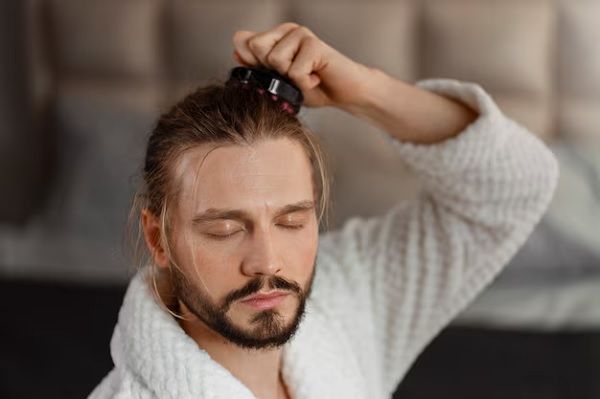
So if you want to save your hair from dryness, you should try scalp treatment. It’s one of the ways to improve the production of natural oil in the hair to keep the hair hydrated. You should use scalp treatment products and combine them with a regular scalp massage to get the best possible outcome.
3. Condition your hair
Hair conditioning is another viable solution to dry hair. It’s effective in providing hair with necessary moisture, which banishes dryness. Even when you don’t shampoo your hair, ensure you condition it if you’re all about keeping it hydrated. This must be a leave-in conditioner because it works perfectly for hydrating dry hair.
You can either use recommended products or use natural homemade remedies like natural oils. For example, argan oil or coconut milk will work wonders. You have to apply it properly. But if you don’t trust homemade remedies, you can quiz your stylist on what products to use for hair conditioning.
4. Drink more water
Usually, when treating dryness, people focus on external practices when there are internal practices that are as important as the external ones. Enough Water consumption is one of those internal practices to keep your hair hydrated. Regardless of how small it is, the amount of water you drink determines how hydrated your hair will be.
So if it’s already little, you can increase your intake. You’re required to gulp in at least eight glasses of water a day. Anything less may not directly contribute to hair hydration.
5. Avoid heat application
When you heat style your hair, you’ll see patterns you never imagined you could create on it. But, as exciting as it might be, the benefits are only temporary, and their effects are everlasting. That’s because the hair is too fragile to withstand so much heat transfer from heat tools.
The truth is that these tools aren’t regulated, and those that are regulated have their temperatures beginning at 350°F. As thick as the skin, heat can hurt it, let alone the hair. So if you want to keep your hair hydrated, avoid heat application. And if you have to, use a heat mask.
Bottom line
The bottom line is that no matter how dry your hair is, there are effective natural ways to hydrate it. As we’ve spelled it out for you, you have to ensure you practice all of these ways regularly to keep your hair hydrated.
FAQs
What causes dry hair?
Dry hair can be caused by several factors, including environmental conditions, over-washing, heat styling, and chemical treatments. Lack of moisture in the air can also contribute to dryness.
How often should I hydrate my dry hair?
It’s recommended to hydrate your dry hair at least once a week using natural treatments. Adjust the frequency based on your hair type and its specific needs.
Can I use essential oils to hydrate my hair?
Yes! Essential oils like lavender, rosemary, and tea tree can help hydrate your hair. Mix a few drops with a carrier oil and apply it as a treatment.
How do I know if my hair is dry?
Signs of dry hair include frizziness, split ends, and a lack of shine. If your hair feels rough to the touch or lacks elasticity, it may be dry.
Are there any foods that can help hydrate my hair?
Absolutely! Foods rich in omega-3 fatty acids, such as salmon and walnuts, as well as fruits and vegetables high in water content, can help hydrate your hair from within.
Should I avoid certain products for dry hair?
Yes, avoid products that contain sulfates, alcohol, and other harsh chemicals that can strip moisture from your hair. Opt for sulfate-free and moisturizing formulas instead.
Can I hydrate my hair with water alone?
While water is essential for overall health, it may not be enough to hydrate dry hair effectively. Incorporate oils and masks for better results.
What is the best way to protect my hair from heat damage?
To protect your hair from heat damage, use a heat protectant spray before styling, and try to limit the use of heat tools. Opt for air-drying whenever possible.
How can I improve my hair’s elasticity?
Improving hair elasticity can be achieved by using protein-rich treatments, staying hydrated, and maintaining a balanced diet. Regular trims can also help reduce breakage.
Is it better to apply hair treatments on dry or wet hair?
Most treatments can be applied to either dry or damp hair, but applying them to damp hair may allow for better absorption. Experiment to see what works best for you.