
Hair graft rejection is a concern for many individuals seeking hair restoration solutions. Understanding the risks and causes associated with this phenomenon is crucial for anyone considering a hair transplant. Hair graft rejection can lead to unsatisfactory results, affecting both appearance and self-esteem. Addressing this issue early on can significantly improve the success rate of hair restoration procedures. For more information on what can go wrong during a hair transplant, check out this guide on hair transplants gone wrong.
Several factors contribute to hair graft rejection, including the quality of the grafts, the skill of the surgeon, and the individual’s overall health. If not managed properly, these risks can lead to complications that hinder the success of the transplant. Therefore, understanding how to prevent hair graft rejection is vital for anyone looking to enhance their hair. By being informed and proactive, patients can increase their chances of achieving a successful hair restoration outcome.
Reasons why hair transplants may be rejected

The procedure of hair transplant surgery is a multi-step approach that requires a strong connection between the patient, the doctor, and the other medical team members. A single, seemingly little error in any of the hair transplant steps can compromise the entire procedure.
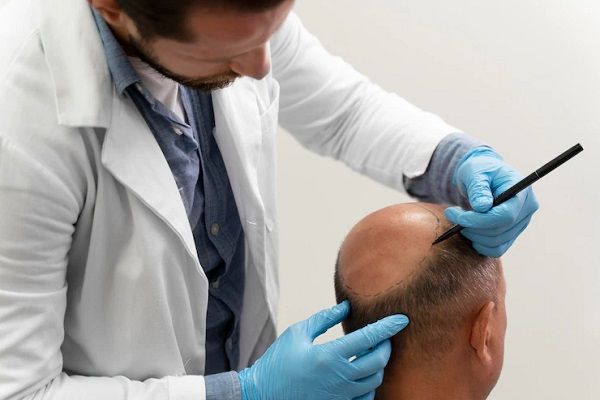
Poor Hairline Design: Sometimes the hairline is not created by a confirmed skilled doctor, or crucial criteria like symmetry, age fit, and optimal height are not evaluated well enough. Other times, the hairline is done incorrectly.
Unreliable Strategy for Harvesting: Even a group of highly skilled surgeons may cause damage to the donor site if the area is not analyzed thoroughly enough or if an extracting plan is not developed beforehand. This is because not all areas of the donor site can offer hair of a relatively similar quality as other areas of the donor area.
When devising a strategy for harvesting, it is important to consider the possibility that certain regions of the donor site have less thick and powerful vegetation than others.
Overly Generous Guarantees: It makes no sense to promise to transplant a very large range of grafts in a single session (for example, 7,000 grafts), which is likely to cause lasting harm to the hair.
This situation becomes even more precarious when the hair restoration teams, which may or may not have enough medical training, fail to consider individual characteristics and provide the patient with unsatisfactory answers.
Inadequate Results of the Hair Analysis: Unfortunately, many clinics specializing in hair restoration fail to perform the essential step of investigating the reason(s) behind the patient’s hair loss. This oversight leads to hair transplants that only produce temporary results. In the case of a patient who has had hair loss owing to alopecia, for instance, a hair transplant will not be successful unless the underlying condition is treated with great care.
Before making any choices regarding a hair transplant, it is important to take into consideration several factors, including age, the types of hair one has, a record of hair loss in one’s family, the degree and type of hair loss, as well as the capacity and condition of the donor site.
Surgical errors
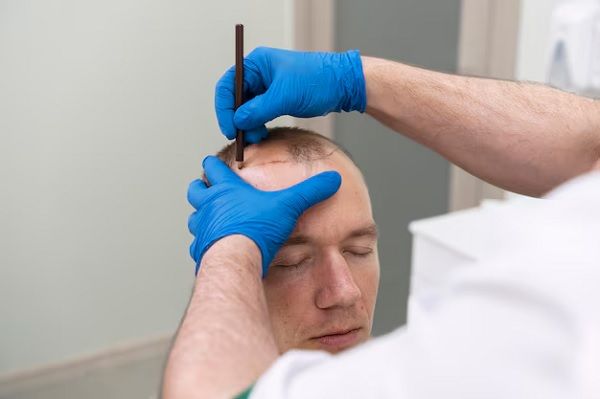
Ineffective Removal of Graft: Surgeons can damage donor tissue in several ways, including overharvesting, loss of homogeneity, not according to the extraction strategy, extraction from the on-the-ear area, inappropriate punch breadth, the wrong punch technique, and excessive heat caused by the operation of the micromotor.
Poor Job at Implanting the Graft: Every step in the preparation process has been carried out to ensure successful graft implantation. However, errors in this stage can easily jeopardize the entire hair transplant procedure. A poor implantation plan that does not consider the natural dispersion of thickness on the recipient site can result in an awkward style and potentially cause damage to the scalp, leading to trauma or even tissue necrosis.
The hair transplant can be excessively dense or too uncommon, common causes of hair transplant rejection. The most common cause of these difficulties is improper implantation. Implantation that was too deep would also cause the follicles to die over time.
Grafts Handling Problems: After the extraction stage, the surgeon should treat the grafts or follicular cells with extreme caution because they are extremely sensitive. The grafts can get dry and finally perish if they are kept outside the body for an extended period before implantation. In other instances, the hair transplant team cannot handle them properly, causing them to become damaged or broken in the process.
Options other using the hair of another person
An artificial hair addition to a hair transplant
Bio-fibers are what are inserted during a procedure known as a synthetic hair transplant. This substance is a type of fiber with a structure and color comparable to your own hair.
Bio-fibers do not develop and are considered foreign material in the body. Since they are not in the circulatory system, the immune system fights them less vigorously. A certain degree of luck is required for a patient to be successful in having their body accept the bio-fibers. Despite this, the body frequently responds with redness and various allergy symptoms when exposed to allergens. Because of this, respectable hair transplant clinics often do not provide this method of hair transplanting for their patients.
The risk of graft rejection
Pain
This discomfort is more common when the FUT method is used to accomplish the hair transplant. During this time, the posture you lie in can affect whether or not you experience muscle soreness.
Bleeding
It is usual to experience some bleeding, which you may stop with only some pressure. About one patient in every few hundred will experience bleeding that does not stop. Occasionally, you will require more stitching.
Numbness
Some temporary numbness is to be expected, typically near the donor location, and it typically lasts anywhere from three to eighteen weeks. It is unusual for it to be bothersome or persistent.
Hiccups
After surgery, you could find that you have hiccups. It is unknown what causes them, but hiccups appear to be more common after having hair transplantation performed than having scalp reduction done. The occurrence of this complication occurs in approximately 5% of cases. In most cases, it can persist anywhere from a few hours to a few days.
Frequently asked questions
What are the main causes of hair graft rejection?
Hair graft rejection can occur due to several reasons. One of the primary causes is the body’s immune response. When foreign tissue, such as transplanted hair follicles, is introduced, the immune system may recognize it as an invader. This response can lead to inflammation and, ultimately, the loss of the grafts. Additionally, poor graft quality can result from improper handling during the extraction and implantation process. If the hair follicles are damaged or not stored correctly, they may fail to thrive once transplanted.
Another significant factor is the skill of the surgeon. A highly experienced surgeon is less likely to make errors during the procedure, which can minimize the risk of rejection. Moreover, the patient’s health plays a critical role. Conditions such as diabetes or autoimmune disorders can compromise the body’s ability to accept the grafts. Understanding these causes is essential for anyone considering a hair transplant.
How can I tell if my hair grafts are being rejected?
Recognizing the signs of hair graft rejection early can improve the chances of successful intervention. One of the first indicators may be excessive redness or swelling in the transplant area. While some redness is normal post-surgery, persistent or worsening symptoms could signal a problem. Additionally, if you experience increased pain or discomfort beyond the typical recovery period, this may also indicate rejection.
Another key sign to watch for is the shedding of transplanted hair. While it’s normal for some hair to fall out shortly after the procedure, a significant amount of grafts falling out could signal an issue. In some cases, the skin may develop crust or scabs around the graft sites, which can also be a sign of rejection. If you notice any of these symptoms, consult your surgeon immediately for further evaluation.
What are the risks associated with hair graft rejection?
The risks of hair graft rejection extend beyond aesthetics. The most immediate risk is the loss of the transplanted hair, which can lead to disappointment and dissatisfaction with the results. This can also result in additional financial costs, as patients may need to undergo corrective procedures to address the issue. Furthermore, hair graft rejection can create emotional distress, leading to decreased self-esteem and confidence.
In some cases, rejection can lead to complications such as infections. When the immune system is actively fighting against the grafts, it may leave the area more vulnerable to bacteria. This can result in infections that require medical treatment and can further complicate recovery. Understanding these risks is essential for anyone undergoing a hair transplant.
How can I prevent hair graft rejection?
Preventing hair graft rejection is largely about preparation and post-operative care. Choosing a qualified and experienced surgeon is crucial. A skilled professional will know how to handle the grafts properly and minimize the risk of complications. During your consultation, ask about their experience and success rates with hair transplants.
Post-operative care is equally important. Follow your surgeon’s aftercare instructions diligently, as they will have specific guidelines tailored to your needs. Maintaining a healthy lifestyle, including a balanced diet and avoiding smoking, can also contribute to a better healing process. In some instances, medications may be prescribed to help reduce inflammation and support graft acceptance. Always discuss any concerns with your healthcare provider to ensure the best possible outcome.
What should I do if I suspect my grafts are being rejected?
If you suspect that your hair grafts are being rejected, it’s vital to act promptly. Schedule an appointment with your surgeon as soon as possible. They can assess the situation and determine the best course of action. It may involve a physical examination and possibly imaging to understand the extent of the issue.
Additionally, keep track of any symptoms you experience leading up to your appointment. Documenting changes in your scalp’s condition can provide valuable information to your surgeon. Do not attempt to self-diagnose or treat the issue without professional advice. Prompt intervention can sometimes salvage the grafts and improve overall results.