
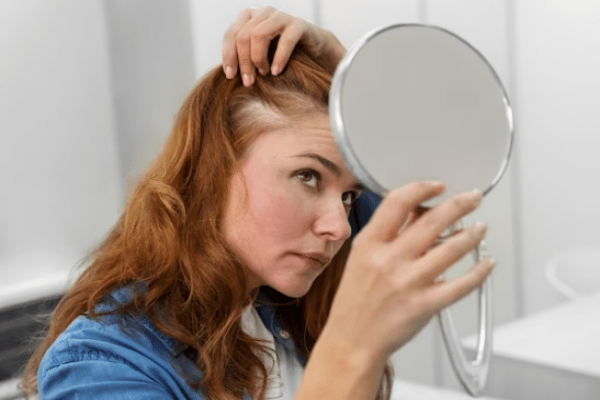
The postoperative period of hair transplantation is a crucial phase that significantly affects the success of the procedure. Understanding how to navigate this period can enhance results and ensure a smoother recovery. Patients often have questions about what to expect after surgery, making it essential to be informed and prepared. For more detailed insights, check out our guide on wearing a cap after hair transplant.
During the recovery, patients may experience some discomfort, swelling, or redness in the transplant area. These reactions are entirely normal, and knowing what to expect can alleviate concerns. Following the right postoperative care tips will help promote healthy hair growth and minimize complications. In this article, we will explore the timeline of recovery and provide valuable tips for a successful healing process.
Day zero: immediate post-operative care
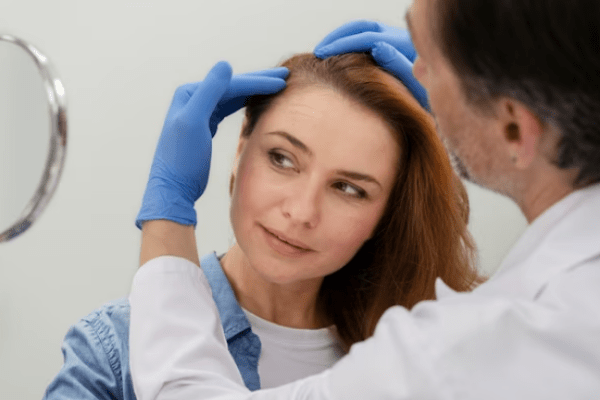
Upon leaving the hospital, you’ll be given a headband and surgical cap. It’s important to wear the cap continuously for the first three days, except during the spraying process. The headband should be worn consistently for the next five days. Additionally, a spray bottle containing Normal Saline solution will be provided.
Starting from the day of the surgery, spray the transplanted area with this solution. During the first two days, spray once every hour. From Day 3 to Day 5, spray every two hours. There’s no need to wake up at night to spray. If the Normal Saline solution runs out, you may use sterile water. Spraying helps prevent scab formation and keeps the grafts hydrated. On the day of discharge, you should also begin gently massaging your forehead. To reduce swelling, it’s advisable to sleep on a flat surface or with a thin pillow for the next five days. Avoid washing your head for the first four days after the transplant.
Day 5: washing the transplanted area
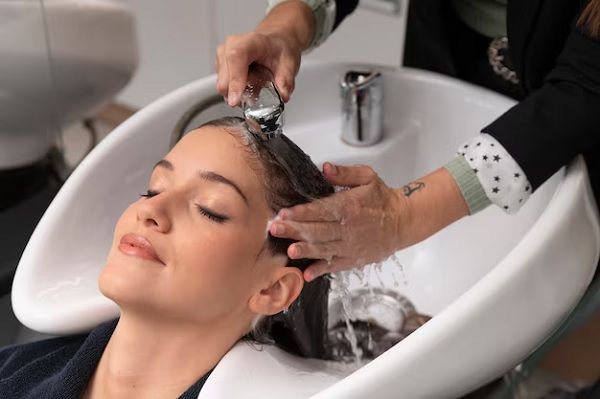
On the fifth day after the surgery, you can wash the transplanted area using only water. Pour water gently over the non-transplanted part of the scalp, allowing it to reach the transplanted grafts. To avoid putting too much pressure on the grafts, partially block the flow of water with your hand. Let your hair air dry naturally without towel drying or blow-drying.
Day 7: shampooing the scalp
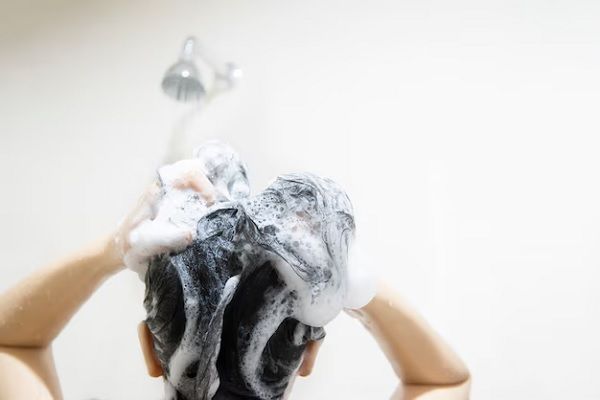
You can now wash your scalp with a shampoo-water mixture. Dilute a small amount of baby shampoo in a mug of water and pour it gently over the transplanted area. Use your hand to partially obstruct the water flow and prevent excessive pressure on the grafts. Rinse off any remaining soapy solution. It’s recommended to avoid standing directly under the shower. Once again, allow your hair to dry naturally without towel drying or blow-drying.
Day 10: special care at home or clinic visit
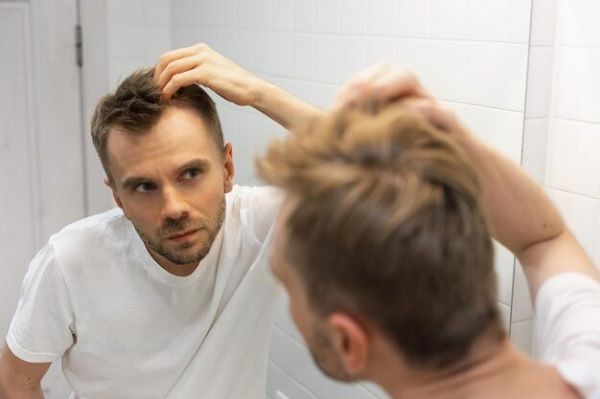
For the wash on the tenth day after the surgery, it’s preferable to visit the clinic if you’re in town. If not, you can perform the wash at home. Start by applying aloe vera gel gently on the transplanted area, allowing it to soften the crusts for 10 minutes. Then, take a small amount of baby shampoo on your palm and lightly apply it to the transplanted area using your fingertips, moving from back to front. Avoid rubbing or scratching the area. Rinse off the shampoo by gently pouring water over your head using a mug.
General Instructions
Diet: Upon discharge, you will receive a diet chart to aid in recovery and graft growth. It is recommended to drink enough water and have a diet rich in protein during the immediate postoperative period.
Alcohol/Smoking: While taking mild painkillers after the procedure, it is advised to avoid alcohol for 7 days.
Smoking: Smoking can constrict blood vessels and reduce blood supply to the scalp, affecting wound healing. It is recommended to quit smoking 1 week before and after the surgery. However, if you are a heavy and chronic smoker, you can continue smoking on the day of the surgery to avoid withdrawal symptoms, but you should quit smoking after the procedure.
Sun Exposure: It’s advisable to wear a cap in the sun starting from the 3rd day. If you need to be in the sun before day 21, sit under an umbrella and avoid prolonged exposure to direct sunlight.
Hair Cosmetics: You can use hair color 4 weeks after surgery when the transplanted hair in the donor area falls off. Wait for 3 to 4 months before applying hair color to the recipient area. Avoid blow-drying your hair for at least 3 to 4 weeks after the surgery. Hair spray is not recommended for approximately 1 year after the transplant.
Hair Cut: You can get a haircut approximately 3 weeks after surgery.
Hair Oil: Experts don’t recommend using any hair-stimulating oil, castor oil, or other oils on the scalp after the surgery. You will be prescribed specific lotions and serums for conditioning as part of our post-operative therapy. Only use coconut oil, almond oil, or olive oil if you still wish to apply hair oil, and start using it 12 weeks after the surgery.
Itchy Sensations: During the postoperative period, you may experience itching in the donor or recipient area. This itching is often caused by residual scabs or crusts forming on the scalp. In most cases, the itching should diminish after the first wash on the seventh day. To help alleviate the itching, your doctor will prescribe an anti-allergic medication to be taken in the initial days after the transplant. If the itching persists, applying aloe vera gel to the donor area during the first week can provide relief. However, it is crucial to resist the urge to scratch your scalp, as it can harm the grafts.
Addressing Bleeding: In rare instances, slight bleeding may occur from the donor or recipient area after the transplant. If this happens, it is recommended to apply continuous firm pressure to the bleeding point using the provided bandage for a duration of 10 minutes. This method should effectively stop the bleeding. However, if the bleeding continues, please contact your clinic for further assistance and guidance.
The right technique for hair washing
To properly wash your hair after a hair transplant, follow these steps:
- Prepare a clean bowl of lukewarm water.
- Add a small amount of tea tree shampoo to the water and thoroughly mix to create a soapy solution.
- Carefully pour the solution over the transplanted and donor areas using a cup or a jug.
- Gently pat the transplanted area, paying attention to the grafts, and wash the suture line using a circular motion.
- Rinse all areas with clean water.
Frequently asked questions
What should I expect immediately after a hair transplant?
Right after a hair transplant, patients usually experience some level of discomfort. There may be swelling, redness, or mild pain in the donor and recipient areas. Most clinics provide pain medication to manage discomfort effectively. It’s crucial to follow the surgeon’s post-operative instructions closely during this initial recovery phase.
How long does the swelling last after a hair transplant?
Swelling is a common occurrence following a hair transplant and typically peaks around the third day after surgery. For most patients, the swelling subsides within a week. However, some individuals may experience longer-lasting swelling. Applying cold compresses can help reduce swelling, but it’s vital to avoid direct contact with the transplant area.
When can I wash my hair after the procedure?
Patients are usually advised to wait at least 48 hours before washing their hair. After this period, it’s important to use a gentle shampoo and avoid vigorous scrubbing. Instead, let the water run over the scalp and use a light touch to cleanse the area. This helps prevent dislodging the newly transplanted hair follicles.
What activities should I avoid during recovery?
During the recovery period, it’s essential to avoid strenuous activities, heavy lifting, or exercises that can cause sweating for at least a week. Engaging in these activities can increase blood flow to the scalp, potentially damaging the transplanted hair follicles. It’s also advisable to refrain from swimming or soaking in hot tubs for at least two weeks.
How long does it take for transplanted hair to grow?
After a hair transplant, patients typically notice that the transplanted hair sheds within the first few weeks. This shedding is a normal part of the process, and new hair growth usually begins around three to four months post-surgery. Full results can take up to a year, as hair follicles take time to mature and reach their full potential.
Can I dye my hair after a hair transplant?
It’s best to wait at least four to six weeks before dyeing the hair after a transplant. This allows the scalp to heal completely and minimizes the risk of irritation. When you do decide to color your hair, opt for a gentle formula and consider consulting with your surgeon for recommendations tailored to your specific situation.
What should I do if I experience complications?
In the rare event of complications such as excessive bleeding, severe pain, or signs of infection, it’s crucial to contact your surgeon immediately. They can provide guidance and take necessary action to address any issues. Monitoring your recovery closely will help ensure a successful outcome.
How often should I follow up with my surgeon?
Follow-up appointments are essential for assessing the healing process and the success of the transplant. Most surgeons schedule follow-ups at one week, one month, and six months post-surgery. These visits allow the surgeon to monitor hair growth and address any concerns you may have.
What are the signs of a successful hair transplant?
A successful hair transplant can be identified by healthy hair growth in the recipient area, minimal scarring, and a well-healed scalp. Patients should also notice an improvement in hair density and overall appearance. Regular follow-ups with the surgeon will help confirm the success of the procedure.
How can I ensure the best results after my hair transplant?
To achieve optimal results, patients should follow all post-operative care instructions provided by their surgeon. This includes taking prescribed medications, avoiding sun exposure, and maintaining a healthy lifestyle. Proper care and attention during the recovery period will significantly contribute to the success of the hair transplant.