

In today’s world, men are under more pressure than ever to have a full head of hair and a perfect hairstyle. A man’s hairline is a crucial aspect of his overall appearance, and it can have a significant impact on how people perceive him. Unfortunately, many men experience hair loss, thinning hair, or a receding hairline, which can be a source of insecurity and self-consciousness. The factors that determine a man’s hairline include hormones, genetics, age, and lifestyle. For those interested in learning more about how scalp conditions can affect hair growth, check out this insightful article on scalp oil and hair loss.
Hormones play a significant role in hair growth and loss. Men produce more testosterone than women, which can lead to hair loss. Genetics also plays a significant role in determining a man’s hairline. If hair loss or a receding hairline runs in your family, it’s likely that you’ll experience it too. Age is also a factor in hair loss, as men typically experience hair loss as they get older. Lifestyle choices, such as stress, poor nutrition, and smoking, can also contribute to hair loss. Below are some facts about men’s hair.
Myths on male pattern baldness

There are many misconceptions about male pattern baldness, also known as androgenetic alopecia. This condition affects a significant portion of the male population, and unfortunately, there are many myths that circulate about its causes and potential treatments. Here are a few of the most common myths and the truth behind them:
Wearing a hat or helmet causes hair loss – This is not true. The pressure from a hat or helmet does not cause hair loss, and there is no scientific evidence to support this claim. In fact, wearing a hat or helmet can protect your hair from sun and environmental damage.
Shampooing causes hair loss – There is no evidence that shampooing causes hair loss. In fact, shampooing is actually important to keep the scalp and hair clean and healthy. When hair follicles become clogged with oil and dirt, it can lead to hair loss. Regular shampooing can help to remove these impurities and promote healthy hair growth.
Male pattern baldness is caused by poor blood circulation – This is not true. Male pattern baldness is caused by a combination of genetics and hormones, not poor blood circulation. The condition is caused by a sensitivity to dihydrotestosterone (DHT), a by-product of testosterone, which leads to hair follicles shrinking and eventually dying.
Male pattern baldness is caused by stress – While stress can cause temporary hair loss, it is not a direct cause of male pattern baldness.
Male pattern baldness can be cured by using a specific product or treatment – There is no cure for male pattern baldness, and while certain products or treatments may help slow or conceal hair loss, they will not reverse it.
It’s important to be informed about the facts about hair loss and the causes and possible treatment options. Consulting a doctor or a hair specialist is the best way to know the best solution for your hair loss condition.
Different Types Of Mens Hairline

When it comes to men’s hairlines, there are a variety of factors that can affect the way they look. These include hormones, genetics, age, and lifestyle. While both men and women can have similar hairline shapes, men’s hairlines can undergo more drastic changes due to these factors. Here are the 8 most common types of men’s hairlines:
Low hairline
Men typically have low hairlines throughout their childhood and into their teenage years before any hair loss begins. This is known as a juvenile hairline when it runs in a straight line. Low hairlines begin closer to a man’s eyebrows, which can make the forehead look smaller. Some men may retain a low frontal line for longer than others.
Middle hairline
A middle hairline is typically more proportionate to the forehead. Men may start to develop a middle hairline during their teenage years and into their twenties. This type of hairline can look different from person to person, and can be asymmetrical, rounded, or straight.
High or mature hairline
A hairline is considered high if it starts on the crown of the head. This type of hairline is usually caused by genetics, but can also be due to hair loss or thinning hair.
Receding hairline
Men may develop a receding hairline at any time following puberty, and it can resemble a high hairline as it continues to reveal more of the scalp. A receding hairline may look like an “M” shape if excessive shedding occurs around the temples. This is a common result of male pattern baldness, which is usually hereditary.
Cowlick
A cowlick is a section of hair that grows in an opposing pattern to the hairs around it. This can form in any area of the scalp, but is particularly common at the hairline and crown. If you have a cowlick and short hair, you may be more likely to notice it. If you want to make your cowlick less visible, speak to your hairstylist for tips on how to tame it.
Widow’s peak
A widow’s peak is characterized by a V-shape, and may look more or less noticeable as you age. This hairline type is characterized by forming two distinct bald patches at the temples.
Uneven hairline
Asymmetrical hairlines are common, and can vary in form. One side may appear slightly higher than the other, or the whole frontal line could zig-zag drastically. Uneven hairlines can be caused by genetics or excessive styling, such as wearing the hair in a tight ponytail.
Straight hairline
Juvenile, rectangular, or straight hairlines run neatly across the forehead. This type of hairline is usually seen in men who have not started to lose hair yet.
It’s important to note that everyone’s hairline is unique, and that there may be other variations not covered in this list. If you’re concerned about your hairline or experiencing hair loss, it’s best to consult with a hair specialist or a dermatologist. They can provide you with a proper diagnosis and treatment options.
Are men’s hairs thicker than women’s?
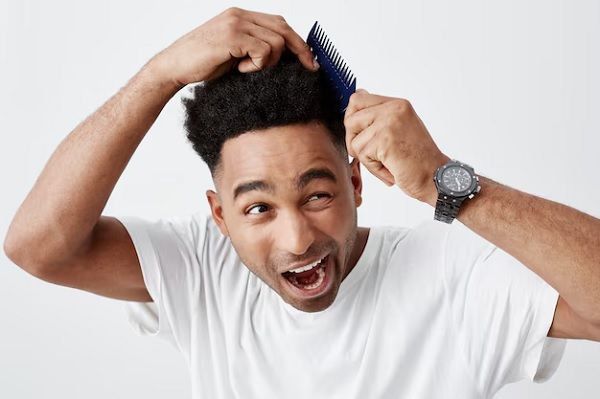
When it comes to hair thickness, men and women are genetically similar. Factors such as genetics and hormones play a role in determining the thickness of an individual’s hair. However, men tend to have thicker and denser body hair due to higher levels of testosterone.
Frequently asked questions

How does hair growth differ between men and women?
Hair growth rates can vary significantly between genders. On average, men’s hair grows about half an inch per month, which is slightly faster than women’s hair. This difference can be attributed to hormonal factors, as testosterone plays a crucial role in hair growth. Men may notice that their hair grows quickly, but they also face challenges like thinning or balding. Understanding these differences can help men tailor their hair care routines to maintain healthy hair.
What causes hair loss in men?
Hair loss in men can occur due to several factors, with androgenetic alopecia being the most common cause. This hereditary condition leads to gradual thinning of hair, often starting at the temples or crown. Other factors contributing to hair loss include stress, poor nutrition, and hormonal imbalances. Medical conditions like thyroid issues or autoimmune disorders can also play a role. Recognizing the signs of hair loss early can help men seek appropriate treatment options.
Are there specific hairstyles that suit men’s hair types?
Finding the right hairstyle can enhance a man’s features and complement his hair type. Different hair types, such as straight, wavy, or curly, lend themselves to various styles. Men with thicker hair may find that shorter styles work best, while those with thinner hair may prefer longer styles to add volume. Consulting with a professional stylist can provide personalized recommendations based on hair texture and face shape.
What role do genetics play in hair texture?
Genetics significantly influence hair texture and type. The genes inherited from parents determine whether a man has straight, wavy, or curly hair. These genetic factors also affect hair density and thickness. Understanding your genetic predisposition can help you choose appropriate hair care products and styles that suit your natural texture, leading to healthier hair.
How does diet affect hair health in men?
A balanced diet rich in essential nutrients is crucial for maintaining healthy hair. Vitamins such as biotin, vitamin D, and omega-3 fatty acids contribute to hair strength and growth. Foods like nuts, fish, and leafy greens can enhance hair health. Conversely, diets lacking in these nutrients may lead to brittle hair or increased hair loss. Men should consider incorporating a variety of nutrient-dense foods to support optimal hair health.
Can stress really cause hair loss?
Yes, stress can have a profound impact on hair health. When the body experiences significant stress, it may trigger a condition called telogen effluvium, leading to increased hair shedding. This type of hair loss typically occurs a few months after a stressful event. Managing stress through relaxation techniques, exercise, or therapy can help mitigate its effects on hair. Recognizing stress as a factor in hair loss is vital for maintaining healthy locks.
How often should men wash their hair?
The frequency of hair washing can vary based on individual hair types and lifestyles. Generally, men with oily hair may need to wash their hair daily to remove excess oil. Conversely, those with drier hair may benefit from washing it less frequently, perhaps two to three times a week. Finding the right balance is essential for maintaining healthy hair, as overwashing can strip natural oils, leading to dryness and damage.
What are common myths about men’s hair?
There are several myths surrounding men’s hair that can lead to misconceptions. One common myth is that shaving makes hair grow back thicker. In reality, shaving does not change the hair’s texture or thickness; it merely gives the illusion of a coarser feel. Another myth is that using more shampoo will lead to cleaner hair. In truth, using a quarter-sized amount is often sufficient for effective cleansing. Debunking these myths can help men make informed decisions about their hair care routines.