
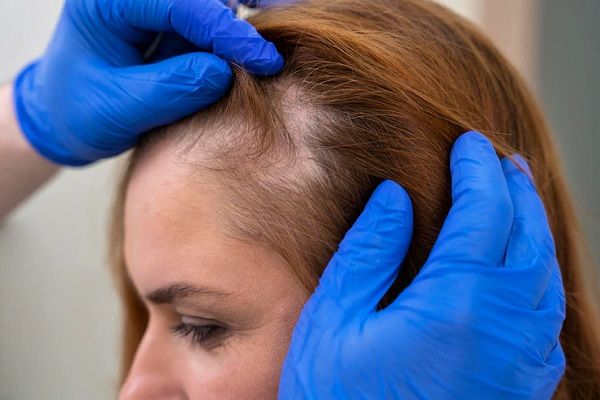
If everyone could mold the features they want for their hair before birth, the chances are high that the one that’ll be almost flawless will be the hairline. This assumption is derived from the fact that a disproportion in hairline easily draws attention to itself instead of other facial features that are faultless. And apart from that, the fact that people spend so much money on wigs and products that maintain and improve the hairline is another reason to hold that a perfect hairline is coveted.
An excessively large forehead mostly causes a disproportionate hairline. While it’s impossible to mold a perfect forehead and hairline independently, it’s become possible to correct it through a hair transplant on the forehead. Although a lot of people have taken advantage of this treatment to correct large foreheads and disproportionate hairlines, many other people aren’t aware. If you, the reader, also don’t know about it, this article will discuss everything you need to know about hair transplant that brings down a high hairline and reduces large forehead in women.
What is forehead hair transplant?
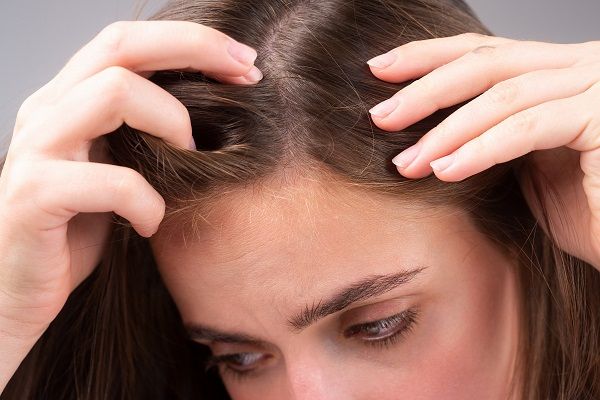
The forehead hair transplant is a cosmetic solution offered to patients with a large forehead naturally gives a high hairline. As puzzling as it could be for some people to realize that there’s a treatment to address a large forehead, it’s not uncommon because it’s been around for quite a while. While it’s for both men and women, it’s mostly common amongst women. And here, our focus will be on its occurrence amongst women.
Women, more than men, derive so much confidence and self-esteem from their appearance. That’s why every detail, whether tiny or gross, is carefully given attention from the line of the brows to the length of the lashes, the curl of the edges, and many other facial features. While this isn’t to say men don’t give cognizance to these details, women go the extra mile.
Concerning the hair, they wear the best wigs to enhance this perfection and hide all seeming imperfection caused by hair loss, high hairline, and a pretty large forehead. However, instead of relying on wigs, women now have the opportunity to correct any imperfection around the hairline and forehead with surgical treatment. This treatment effectively reduces the height of a high hairline by bringing it 2-3cm closer to the eyebrows, reducing the very obvious size of a large forehead.
The goal is to enhance the appearance already altered by a disfiguring look. Therefore, before this surgery is performed, the surgeon ensures several factors are considered. Some of these factors include the laxity of the patient’s scalp, the thickness of their hair, the depth of the hairline, previous surgeries conducted, etc. Evaluating these factors is essential to determine which surgical method will be most suitable for the patient.
The two types of forehead hair transplant
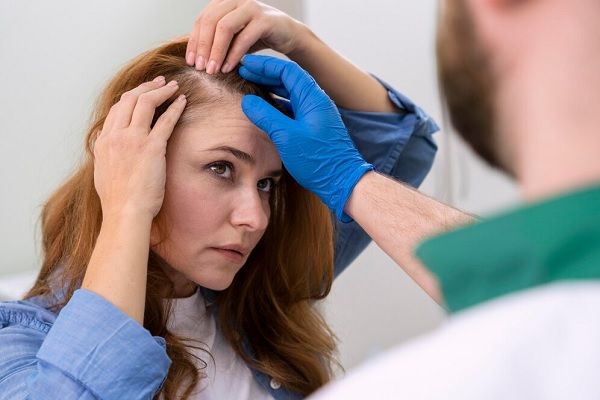
The surgical methods of performing forehead hair transplants are similar to the popular FUT and FUE methods. Like the follicular unit transplant method, which involves scalp stripping, the forehead is reduced by removing about 2 to 3cm of the skin before the hairline. After this, the scalp is brought down, and the skin is stitched up. This suture is done so the lines and post-op scars wouldn’t be visible except with a proper medical examination, And when hair starts to grow around the area, the large space between the forehead and the hairline is reduced.
Alternatively, the follicular unit extraction method lowers the high hairline. This involves the transfer of individual hair follicles from one area to another. In this case, grafts are removed from an area that’s full to the area right in front of the high hairline. While this looks like a straightforward procedure, it isn’t. That’s why you have to use the services of highly-skilled and certified surgeons who understand the intricacies involved in forehead hair transplant, particularly as it relates to women.
Things to take into account before having the forehead hair transplant
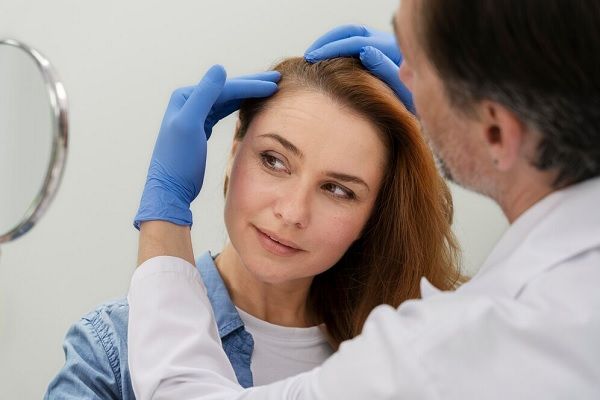
There are a couple of precautionary steps to take before going for a forehead hair transplant. These steps include:
- Avoidance of alcohol as this may retain swelling and fluid longer than expected
- Have a predetermined diet plan that boosts your immunity and enhances the treatment.
- Avoid taking anti-inflammatory drugs before having the surgery as that might counteract desirable outcomes
- Ensure you consult your surgeon extensively and ask necessary questions before the surgery.
- Ensure you observe a low-salt feeding and drinking weeks before having the surgery.
What category of women can have forehead hair transplant?
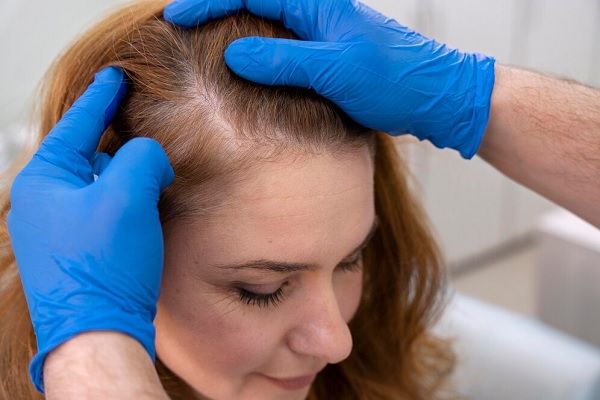
As far as the forehead transplant is concerned, it’s not exclusive as long as the individuals have a large forehead and a high hairline. Hence, women of all ages with either large foreheads or high hairlines are the candidates for this surgical procedure. Additionally, people who have previously had brow lifts can also have the surgery. But nothing changes that you have to consult your surgeon to get expert advice on whether you’re an ideal candidate for the surgery.
The possible side effects of forehead hair transplant surgery in women
Like most other surgeries, the forehead hair transplant also has temporary side effects, some of which include the following:
Temporary bleeding around areas of incision
Bleeding is a natural occurrence both during and after surgery. However, it has to be controlled during the surgery and reduced to the barest minimum after the surgery. So if you see some bleeding around the areas, it’s no cause for alarm except it becomes excessive.
Numbness
Due to the administration of local anesthesia, which numbs any potential pain during the surgery, you might still feel numbness after the surgery. The good thing is, it’ll also stop after a short period.
Inflammation
Inflammation is normal after surgery, but the good thing is that it’s temporary and can be controlled by placing an ice pack on the treated area.
Frequently asked questions
What is a hair transplant, and how does it work?
A hair transplant is a medical procedure that involves moving hair follicles from a donor site to an area experiencing hair loss. Typically, this donor site is located at the back or sides of the head, where hair is usually denser. During the procedure, a surgeon will extract individual follicles or strips of skin containing hair and implant them into the forehead area. This process allows for natural hair growth in the transplanted areas over time.
Who is a good candidate for a hair transplant on the forehead?
Ideal candidates for a hair transplant on the forehead are women experiencing noticeable hair thinning or receding hairlines. Factors such as age, hair type, and overall health can influence candidacy. Women with stable hair loss patterns often see the best results. Consulting with a hair restoration specialist can determine if you’re a suitable candidate for this procedure.
What are the benefits of hair transplants for women?
There are several benefits to undergoing a hair transplant on the forehead for women. First, the procedure provides a permanent solution to hair loss, as transplanted hair follicles are usually resistant to the hormone that causes hair thinning. Second, it can enhance self-esteem and improve overall appearance. Lastly, hair transplants require minimal maintenance compared to other hair restoration methods, making them a practical choice.
What should I expect during the recovery process?
Recovery from a hair transplant on the forehead usually involves some swelling, redness, and discomfort. Most women can return to their normal activities within a few days. However, it’s essential to follow post-operative care instructions provided by your surgeon. This may include avoiding strenuous activities and using prescribed medications to manage pain. Full results will typically be visible within six to twelve months as the transplanted hair grows.
Are there any risks or side effects associated with hair transplants?
Like any medical procedure, there are potential risks and side effects associated with hair transplants. These can include infection, scarring, and uneven hair growth. Additionally, some women may experience shock loss, where existing hair temporarily falls out after surgery. However, most side effects are manageable and resolve with proper care. Discussing these concerns with your surgeon can help you prepare effectively.
How long do hair transplants last?
Hair transplants are designed to be a permanent solution for hair loss. The transplanted hair follicles typically continue to grow throughout a person’s life. However, it’s important to note that natural hair loss may continue in non-transplanted areas. To maintain a balanced look, some women may opt for additional procedures in the future. Regular follow-ups with a hair restoration specialist can help monitor hair health.
How much does a hair transplant on the forehead cost?
The cost of a hair transplant on the forehead varies based on several factors, including the clinic’s location, the surgeon’s experience, and the technique used. On average, prices can range from $4,000 to $15,000. While this may seem steep, many women consider it a worthwhile investment in their appearance and confidence. Consulting with different clinics can provide a clearer picture of potential costs.
How can I prepare for a hair transplant on the forehead?
Preparing for a hair transplant involves several steps. First, consult with a qualified surgeon to discuss your goals and expectations. It’s essential to disclose any medical conditions and medications you currently take. Additionally, following pre-operative instructions, such as avoiding blood thinners and alcohol, can help ensure a smooth procedure. Preparing mentally and physically for the recovery process is also crucial for a successful outcome.