

Hair loss is a common issue for many individuals, and for those who suffer from it, hair transplantation can be a viable solution. One of the biggest concerns for those considering a hair transplant is the level of pain that can be expected during and after the procedure. In this article, we will take a closer look at hair grafting, including how it is performed, what to expect during the procedure, and how much pain can be expected.
It’s also important to prepare for the recovery process after the procedure. Most patients report manageable discomfort that can be treated with over-the-counter medications. While some swelling and tenderness may occur, the overall experience is often less painful than anticipated. For more insights on recovery, you can check out this article on shock loss after a hair transplant. Understanding what to expect can help you make an informed decision about moving forward with a hair graft.
What is a hair graft?
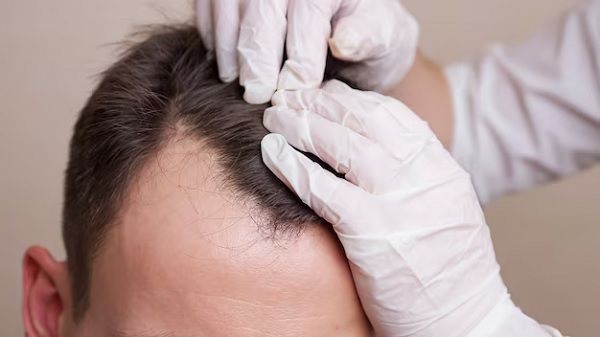
A hair graft is a surgical procedure in which hair follicles are taken from one area of the scalp and transplanted to another area of the scalp. The most common type of hair graft is called follicular unit transplantation (FUT), in which a strip of hair is removed from the back of the scalp and the individual hair follicles are then transplanted to the area of hair loss. Another common method is called follicular unit extraction (FUE), in which individual hair follicles are removed from the scalp and transplanted to the area of hair loss.
How is the procedure performed?
The procedure for a hair graft is typically performed under local anesthesia, which numbs the area of the scalp where the hair follicles will be removed. The procedure can take several hours to complete, depending on the number of hair follicles being transplanted.
FUT:
During FUT, a strip of hair is removed from the back of the scalp, and the individual hair follicles are then harvested from the strip. The strip is generally taken from the back of the head, where there is an abundance of hair that is less visible. This area of the scalp is carefully numbed using local anesthesia to minimize any discomfort. The surgeon will use a scalpel to remove a strip of skin and hair. The strip will be typically around 1 cm wide and 15 cm long; the length of the strip will depend on the number of grafts needed.
The harvested follicles are then transplanted to the area of hair loss. The harvested follicles are generally divided into smaller units called “follicular units,”, which contain one to four hairs each. These units are then carefully inserted into the scalp in the area of hair loss, in a manner that mimics the natural direction of hair growth. The transplanted hair will start to grow within 3-4 months after the procedure.
FUE:
During FUE, the individual hair follicles are removed from the scalp using a special tool called a punch tool, which punches out a small circular section of skin around the hair follicle. This tool can vary in diameter from 0.8mm to 1.2mm. The harvested follicles are then transplanted to the area of hair loss.
The procedure is typically performed using local anesthesia, and is usually performed on an outpatient basis. The surgeon will use the punch tool to remove individual hair follicles from the back of the head, which is typically the area of the scalp that has the most hair. The hair follicles are then transplanted to the area of hair loss. The transplanted hair will start to grow within 3-4 months after the procedure.
Once the procedure is completed, the surgeon will bandage the area of the scalp that was treated to protect the transplanted hair follicles. The procedure itself is relatively comfortable, as the area of the scalp that is being worked on is numbed with local anesthesia. The procedure can take several hours to complete, depending on the number of hair follicles being transplanted.
What to expect during the procedure
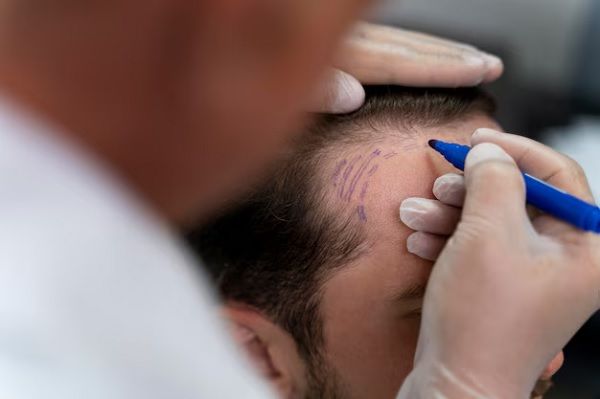
Before the procedure, the patient will have a consultation with the surgeon to discuss their medical history and the desired outcome of the procedure. The patient will also have the opportunity to ask any questions they may have about the procedure. The surgeon will also provide instructions on what to do and what to avoid prior to the procedure, such as avoiding blood-thinning medications and alcohol.
During the procedure, the patient will be seated in a comfortable chair, and the area of the scalp that will be treated will be numbed using local anesthesia. The procedure itself may take several hours, depending on the number of hair follicles that need to be transplanted.
Pain after the procedure
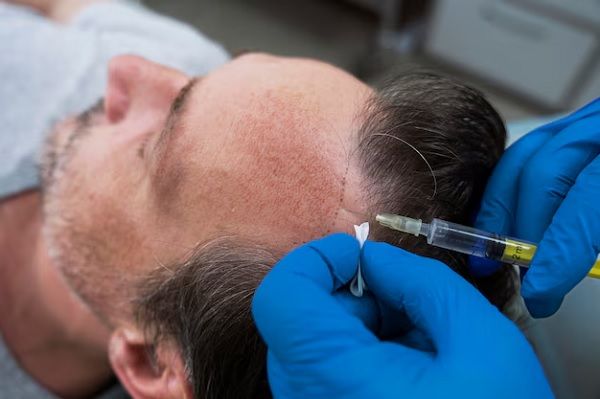
After the procedure, the scalp may be sore and swollen for a few days. This is normal and is caused by the trauma to the scalp caused by the procedure. Pain medication may be prescribed to help manage any discomfort. Additionally, the surgeon may also recommend cold compresses to help reduce swelling and discomfort.
Some patients may experience itching and redness around the transplanted area. These symptoms typically subside within a week or two. The transplanted hair may also fall out during the first couple of weeks after the procedure, which is also normal as the hair follicles will enter a dormant phase before starting to regrow.
It’s important to follow the post-operative instructions provided by the surgeon to ensure proper healing and minimize any pain or discomfort. The instructions typically include avoiding strenuous activity, not washing your hair for the first couple of days, and not exposing the scalp to the sun.
Recovery Time
Recovery time for a hair graft can vary depending on the individual and the method used. Most patients are able to return to work within a week after the procedure, but some may need up to two weeks to fully recover.
Potential Complications
Like any surgical procedure, hair grafts do carry some risks. Potential complications include infection, bleeding, and scarring. However, these complications are generally rare, and most patients experience little to no pain and have a successful outcome.
Frequently asked questions
What kind of pain can I expect after the surgery?
Post-operative pain typically occurs in the donor and recipient areas. This discomfort can range from mild to moderate, depending on individual pain tolerance and the extent of the procedure. Patients may experience tenderness, swelling, and a tight feeling in the scalp. Most of this discomfort subsides within a few days. By following the aftercare instructions provided by the surgeon, you can minimize pain and promote healing.
Is there a difference in pain between FUE and FUT procedures?
Yes, there is a difference in pain levels between Follicular Unit Extraction (FUE) and Follicular Unit Transplantation (FUT). FUE tends to be less painful post-operatively because it involves removing individual hair follicles. This method generally results in less trauma to the scalp. In contrast, FUT involves removing a strip of scalp, which can lead to more discomfort and a longer healing time. However, both procedures utilize anesthesia to ensure patients are comfortable throughout.
How do I manage pain after a hair transplant?
Managing post-operative pain effectively is crucial for a smooth recovery. Doctors often recommend over-the-counter pain relievers like ibuprofen or acetaminophen. Additionally, applying ice packs can help reduce swelling and numb discomfort. It’s essential to follow the surgeon’s aftercare instructions carefully. Avoiding strenuous activities or heavy lifting can also contribute to a more comfortable healing process.
How long does the pain last after a hair transplant?
The duration of pain following a hair transplant varies among individuals. Most patients experience significant relief within the first few days. Minor discomfort may persist for a week or more, particularly in the donor area. By the second week, most individuals report feeling much better and can resume normal activities. However, it’s essential to communicate with your surgeon if pain persists beyond the expected timeframe.
Will I experience any other discomfort after the hair graft?
In addition to pain, some patients may experience itching or tingling sensations in the scalp. These sensations are generally normal and can occur as the scalp heals. It’s crucial not to scratch or irritate the area, as this can disrupt the healing process. If discomfort becomes severe or does not improve, consulting your surgeon is advised for further evaluation.
Can anxiety affect pain perception during the procedure?
Anxiety can significantly impact an individual’s perception of pain during a hair transplant. Patients who are nervous may experience heightened sensitivity to discomfort. It’s vital to communicate any feelings of anxiety to your surgical team. They can implement techniques to help you relax, such as providing calming music or offering sedation options. Managing anxiety can help ensure a more comfortable experience.
Are there any long-term effects of pain from a hair transplant?
Long-term pain is uncommon after a hair transplant. Most patients recover fully without ongoing discomfort. However, some individuals may experience sensitivity in the donor area for an extended period. If any persistent pain or unusual sensations occur, it is essential to consult with your surgeon for an evaluation. Early intervention can help address any underlying issues and ensure a smooth recovery.
How can I prepare for the pain associated with a hair transplant?
Preparing for potential pain during and after a hair transplant involves several steps. First, understanding the procedure and what to expect can alleviate anxiety. Speak openly with your surgeon about any concerns regarding pain management. They can provide tailored advice and prescribe medications to have on hand. Additionally, arranging for post-operative care and support can provide comfort and assistance during recovery.