

Androgenetic alopecia, commonly known as male or female pattern baldness, is the most prevalent form of hair loss worldwide. It affects both men and women and is primarily caused by genetic and hormonal factors. Understanding its underlying mechanisms, causes, and available treatments is essential for those experiencing hair thinning and seeking potential solutions.
What is it?
Androgenetic alopecia is a progressive condition that results in hair thinning and eventual hair loss. It is characterized by a distinct pattern:
- In men, it typically starts with a receding hairline and thinning at the crown, eventually leading to baldness in advanced stages.
- In women, it usually presents as diffuse thinning on the top of the scalp without significant receding of the hairline.
This type of hair loss is caused by the miniaturization of hair follicles due to the influence of androgens, particularly dihydrotestosterone (DHT). Over time, the affected follicles shrink, produce finer and shorter hair strands, and eventually stop growing hair altogether.
Causes
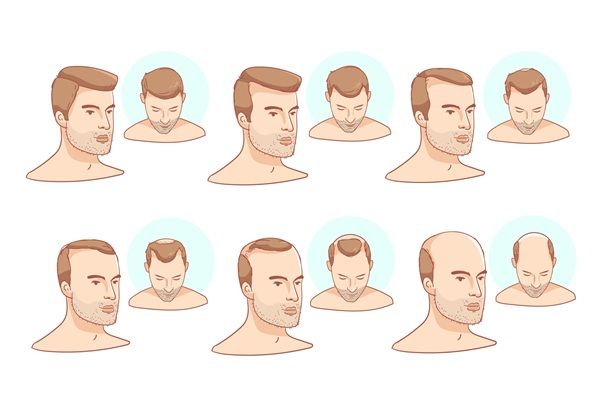
Androgenetic alopecia (AGA), commonly known as male or female pattern baldness, is a hereditary condition that causes hair thinning and hair loss. The main causes of AGA include:
- Genetics: AGA is primarily inherited. The condition can be passed down from either parent, but the gene for male pattern baldness is often associated with the X chromosome, which means men are more likely to experience it if their mother’s side has a history of hair loss.
- Hormones: AGA is linked to androgens, which are male hormones like testosterone and its derivative dihydrotestosterone (DHT). These hormones play a key role in hair growth, but when DHT levels are elevated, they shrink hair follicles, leading to thinning and hair loss over time.
- Age: As people age, hair growth naturally slows down. The hair follicles gradually shrink, and hair growth cycles become shorter, contributing to the overall thinning of hair.
- Sensitivity to DHT: Some individuals have hair follicles that are more sensitive to DHT. These follicles are more likely to shrink and produce thinner hair, eventually leading to baldness in affected areas.
- Environmental factors: While genetics and hormones are the primary causes, environmental factors like stress, poor diet, smoking, and certain medications can exacerbate hair loss in individuals genetically predisposed to AGA.
- Nutritional deficiencies: Inadequate levels of vitamins and minerals (e.g., iron, zinc, and vitamins D and B) can contribute to hair thinning and loss.
- Other medical conditions: Certain health issues such as thyroid disorders, polycystic ovary syndrome (PCOS), or autoimmune diseases can also contribute to or worsen androgenetic alopecia.
AGA is a progressive condition, and while it may not be completely reversible, treatments like medications (finasteride, minoxidil) and hair transplant surgery can help manage the symptoms.
Symptoms

The symptoms of AGA typically involve gradual hair thinning and hair loss in specific patterns. These symptoms can vary depending on the individual and whether they are male or female. Common signs include:
In Men:
- Receding hairline: Hair loss often starts at the temples and forehead, leading to a “M” shape in the hairline.
- Crown thinning: The hair at the crown or top of the head begins to thin, often progressing to bald patches.
- Overall thinning: Over time, the thinning can extend across the scalp, although the frontal hairline may still remain intact.
- Progressive hair loss: The hair loss typically progresses over many years, eventually leading to more significant baldness, often referred to as a Norwood pattern.
In Women:
- Diffuse thinning: Women typically experience more diffuse thinning, which affects the top and crown of the head. The hairline usually remains intact.
- Widening of the part: Women may notice their part widening, as the hair becomes thinner, especially around the crown.
- Overall hair thinning: Instead of bald patches, women tend to see a gradual thinning across the entire scalp.
Diagnosis
The diagnosis of AGA is typically made through a combination of medical history, physical examination, and sometimes additional tests. Here are the key steps in diagnosing AGA:
- Medical history: A healthcare provider will ask about family history, patterns of hair loss, and when the hair thinning began. This can help determine if the hair loss is likely due to AGA.
- Physical examination: A visual examination of the scalp and hair pattern is crucial. In men, hair loss usually starts in a well-defined pattern (receding hairline, crown thinning), while in women, the thinning is more diffuse.
- Scalp biopsy: In rare cases where the diagnosis is uncertain, a scalp biopsy may be performed. A small sample of the scalp skin is taken to check the condition of the hair follicles. This helps rule out other causes of hair loss.
- Blood tests: Blood tests may be performed to rule out underlying medical conditions, such as thyroid disorders, iron deficiencies, or hormonal imbalances (like polycystic ovary syndrome). Hormonal levels, including testosterone and DHT, may also be checked, especially in women.
- Trichoscopy: A non-invasive test using a dermoscope (a tool that magnifies the scalp) to examine the hair follicles. It can help identify miniaturized hair follicles, which are characteristic of AGA.
- Pull test: In some cases, a doctor may gently tug on a small section of hair to see how many hairs come out. While this test is more commonly used for diagnosing other forms of hair loss (like telogen effluvium), it may sometimes be used in diagnosing AGA.
- Genetic testing: In some cases, especially if there’s a family history of AGA, genetic testing may be done to detect the presence of specific genes related to androgenetic alopecia. However, this is not a routine part of the diagnosis.
Treatments
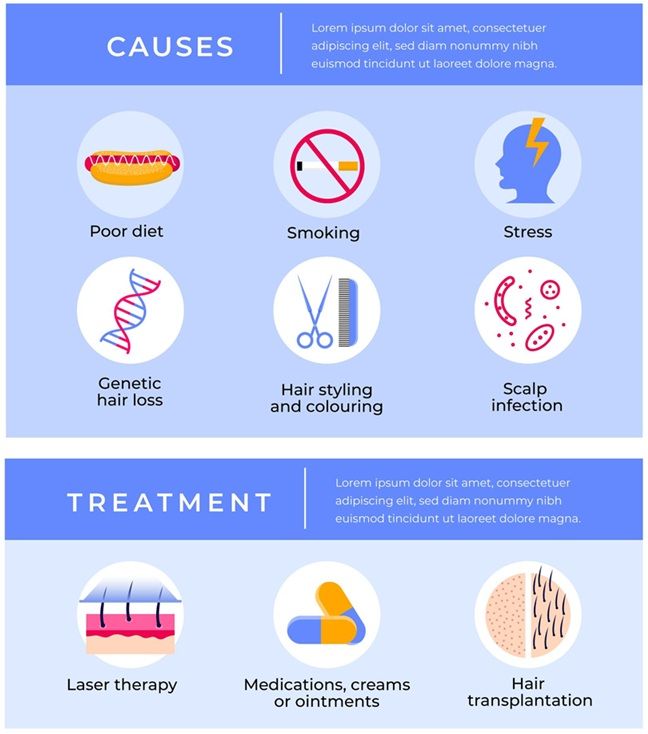
Treatment for Androgenetic Alopecia (AGA) can vary depending on the severity of hair loss, the patient’s age, and whether the patient is male or female. While there is no cure for AGA, several treatments can help slow down hair loss, stimulate hair regrowth, and improve the appearance of thinning hair. Below are the main treatment options:
1. Medications

Minoxidil (Topical treatment)
- Form: Available as a solution or foam.
- How it works: Minoxidil is a vasodilator that stimulates hair growth by increasing blood flow to hair follicles and prolonging the hair growth phase.
- Effectiveness: It is the most commonly used over-the-counter treatment for AGA. It can help to regrow hair in some individuals, but the results may vary. It works best for individuals with early-stage hair loss.
- Side Effects: Scalp irritation, unwanted facial hair growth (in women), and a shedding phase during the first few weeks of use.
Finasteride (Oral treatment)
- Form: A pill taken daily.
- How it works: Finasteride inhibits the conversion of testosterone to dihydrotestosterone (DHT), the hormone responsible for shrinking hair follicles. Reducing DHT levels can help slow or stop hair loss and may promote regrowth.
- Effectiveness: It is more effective in men, helping to slow hair loss and regrow hair, particularly at the crown and hairline. It can take 3–6 months to notice results.
- Side Effects: Sexual side effects (e.g., reduced libido, erectile dysfunction), mood changes, and breast tenderness. It is not recommended for use in women, especially during pregnancy.
Dutasteride (Oral treatment)
- Form: A pill similar to finasteride.
- How it works: Dutasteride also inhibits the conversion of testosterone to DHT but is more potent than finasteride as it blocks both type I and type II 5-alpha reductase enzymes.
- Effectiveness: It may be more effective than finasteride in some cases, particularly in men with more severe hair loss.
- Side Effects: Similar to finasteride, including sexual side effects.
Spironolactone (For women)
- Form: An oral medication.
- How it works: Spironolactone is an anti-androgen that blocks the effects of DHT and helps reduce the impact of testosterone on hair follicles. It is used primarily in women with androgenetic alopecia.
- Effectiveness: It may slow down hair loss and, in some cases, help regrow hair in women.
- Side Effects: Can cause menstrual irregularities, fatigue, dizziness, and elevated potassium levels.
2. Hair restoration surgery
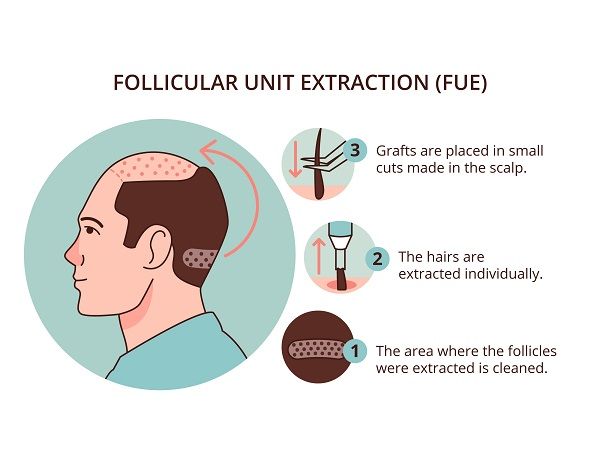
Hair transplantation
- Types:
- FUT (Follicular Unit Transplantation): A strip of skin with hair follicles is removed from the donor area (usually the back of the scalp), and the hair follicles are then transplanted to the thinning or bald areas.
- FUE (Follicular Unit Extraction): Individual hair follicles are harvested directly from the donor area and transplanted into the balding areas.
- Effectiveness: This is one of the most effective permanent solutions for significant hair loss. It can restore a natural-looking hairline and improve density.
- Side effects: Scarring, infection, or uneven hair growth, though these complications are rare.
3. Low-level laser therapy (LLLT)
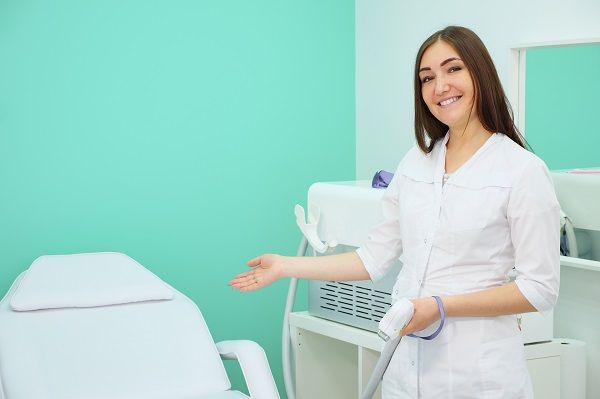
- Form: Available as laser combs, helmets, or caps.
- How it works: LLLT uses red light to stimulate the hair follicles, improve blood circulation to the scalp, and encourage hair growth.
- Effectiveness: Results may be modest and typically take several months to become noticeable. It’s often used in conjunction with other treatments like minoxidil or finasteride.
- Side Effects: Generally safe, with minimal side effects.
4. Platelet-rich plasma (PRP) therapy

- How it works: PRP therapy involves drawing a small amount of the patient’s blood, processing it to concentrate platelets, and injecting it into the scalp. The growth factors in the plasma are thought to stimulate hair follicles and encourage growth.
- Effectiveness: Some studies suggest that PRP can improve hair density and thickness, particularly in the early stages of AGA.
- Side Effects: Minimal, but may include mild scalp irritation or swelling at the injection site.
5. Lifestyle and topical solutions
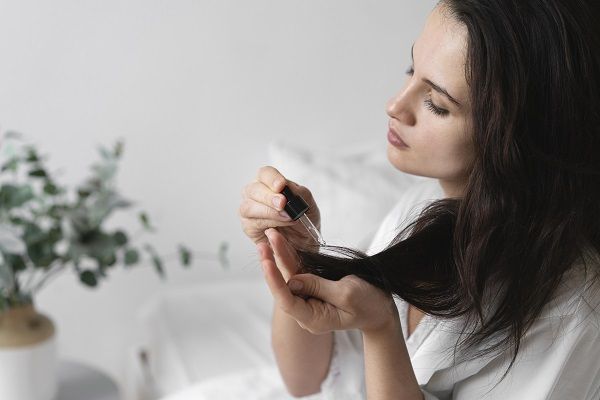
- Hair care products: Gentle shampoos, conditioners, and topical treatments (like biotin-based products) may help reduce hair breakage and improve overall scalp health, but they do not directly address hair loss.
- Dietary supplements: Supplements containing biotin, zinc, vitamin D, and other essential nutrients may support hair health, though they don’t directly treat AGA.
6. Alternative treatments

- Herbal treatments: Some people use natural remedies like saw palmetto, pumpkin seed oil, or caffeine-based shampoos. While some of these ingredients are believed to inhibit DHT, scientific evidence supporting their effectiveness is limited.
- Acupuncture: Some studies suggest acupuncture may help improve blood flow to the scalp and stimulate hair growth, though more research is needed to confirm its effectiveness.
7. Preventative measures

- Stress management: Chronic stress can exacerbate hair loss, so managing stress through relaxation techniques, exercise, or therapy may help reduce the severity of AGA.
- Healthy diet: A well-balanced diet rich in vitamins, minerals, and proteins supports overall hair health and may slow down hair loss.
Conclusion
Androgenetic alopecia is a common but manageable condition. With early intervention and the right combination of treatments, individuals can slow hair loss and improve scalp health. Consulting a dermatologist or hair specialist is crucial in determining the most effective approach based on individual needs.