
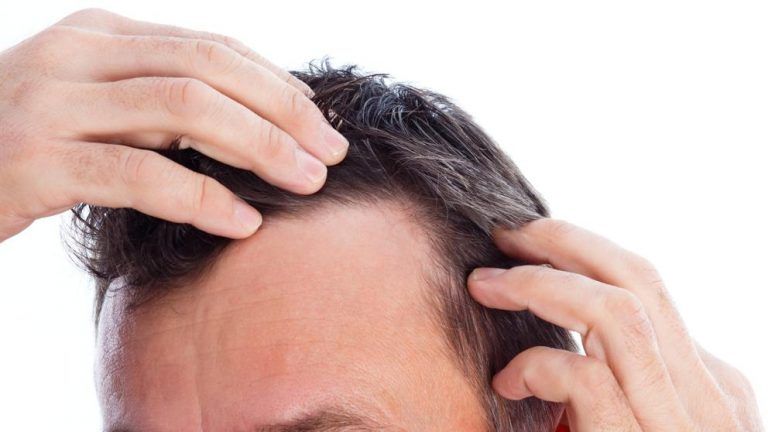
Hair transplant surgery gives you the opportunity to rebuild your self-confidence and once again take pleasure in having a head of natural hair that is both healthy and full. The methods used now are significantly more effective, entail significantly less time for recuperation, and cause significantly less discomfort than those used in the past. Following a hair transplant with the appropriate aftercare is of the utmost importance and can significantly impact the final outcomes. The following is a list of things you should and should not do after getting a hair transplant. This list is provided to assist you ensure that you give your hair transplant the best possible chance of success.
Tips for hair transplant post-care

After a hair transplant, follow these key care tips:
- Avoid touching or scratching: It’s crucial not to touch or scratch the transplanted area to avoid dislodging the hair grafts. Gently pat your scalp if needed.
- Sleep with your head elevated: For the first few nights, sleep with your head raised on a pillow to reduce swelling and protect the newly transplanted hair.
- Follow a gentle hair washing routine: Use a mild, non-irritating shampoo and gently wash your hair to avoid disrupting the grafts. Avoid rubbing or scrubbing.
- Avoid direct sun exposure: For the first few weeks, avoid the sun or wear a loose hat to protect the healing scalp from UV damage and irritation.
- Medication and follow-ups: Take prescribed medications as directed, which may include antibiotics or anti-inflammatory drugs to prevent infection and manage swelling.
- Limit physical activity: Avoid heavy exercise or strenuous activity that may cause excessive sweating for the first few weeks, as this can irritate the transplanted area.
- Stay hydrated and healthy: Drink plenty of water and maintain a healthy diet to help speed up the healing process and promote hair growth.
By adhering to these guidelines and the specific instructions given by your surgeon, you can maximize the success of your hair transplant and reduce the risk of complications.
Hair washing and care after hair transplant
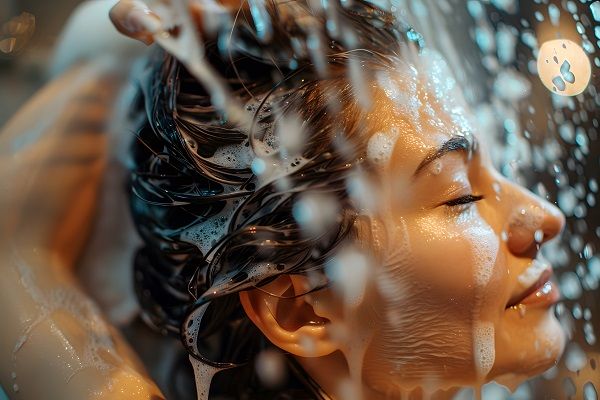
After a hair transplant, proper hair washing and care are crucial for healing and ensuring successful grafting. Follow these guidelines:
When to start washing
- Typically, wait 48-72 hours before washing your hair, as advised by your surgeon.
- Begin with gentle washing to avoid disturbing the grafts.
How to wash
- Use a mild, sulfate-free shampoo recommended by your doctor.
- Dilute the shampoo with water to reduce its intensity.
- Apply gently using a soft patting motion without rubbing or scratching the scalp.
- Rinse with lukewarm water, avoiding direct pressure on the transplanted area. Pour water over the head using a cup instead of direct shower spray.
Drying and maintenance
- Pat the area dry with a soft, clean towel; avoid rubbing.
- Do not use a blow dryer, as heat can irritate the scalp.
- If scabs form, let them shed naturally—do not pick at them.
Additional tips
- Avoid hot water or strong water pressure for at least 10 days.
- Use any prescribed medicated sprays or solutions as directed.
- For the donor area, treat it gently with ointments or creams if recommended.
Scab and graft protection
- Allow scabs to heal naturally. Aggressive washing can loosen grafts.
- By day 7-10, gentle circular movements can be used to clean the scalp under medical guidance.
Long-term hair washing
- After two weeks, you can gradually resume normal washing routines but still avoid harsh shampoos and conditioners for about a month.
- Follow up with your surgeon to ensure proper recovery and get approval for resuming regular habits.
Always adhere to your surgeon’s specific instructions, as care recommendations may vary based on the transplant method and your skin’s condition. Proper post-care helps prevent complications and promotes healthy, long-lasting results.
How to keep hair healthy after hair transplant?

Keeping hair healthy after a hair transplant requires consistent care and attention to promote healing and maintain long-term results. Here are some tips:
1. Post-surgery care:
- Follow all post-operative instructions from your surgeon, including proper hair washing techniques.
- Avoid scratching or touching the transplanted area to protect grafts.
2. Healthy lifestyle:
- Maintain a balanced diet rich in vitamins (especially vitamin D, E, and biotin), minerals, and proteins.
- Stay hydrated and avoid smoking or excessive alcohol consumption, as these can hinder healing and hair growth.
3. Gentle hair care:
- Use mild, sulfate-free shampoos and conditioners to avoid scalp irritation.
- Avoid harsh hair treatments like coloring, straightening, or perms for several months post-surgery.
4. Protection:
- Protect your scalp from direct sunlight and extreme temperatures for at least 6 months.
- Wear loose-fitting hats if outdoors.
5. Scalp hygiene and massage:
- Maintain good scalp hygiene to prevent infections or clogging of hair follicles.
- After healing, gently massage the scalp to improve blood circulation.
6. Medication and supplements:
- Use any prescribed topical solutions, such as minoxidil, as directed.
- Consider taking hair-boosting supplements if approved by your doctor.
7. Routine follow-ups:
- Attend follow-up appointments to monitor progress and address any concerns.
- Discuss maintenance therapies like PRP (Platelet-Rich Plasma) for enhancing hair health.
Commitment to these practices will ensure robust growth and maintain the health of your transplanted and natural hair.